
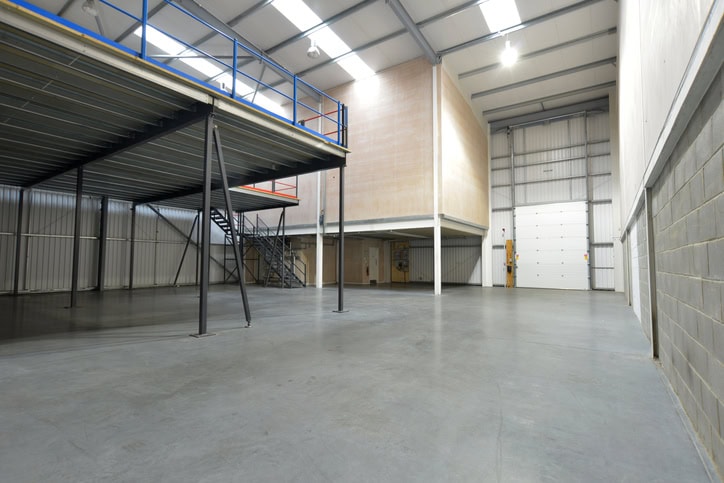
When floor space gets tight, many operations look at mezzanines as a way to increase capacity. But there’s another option worth considering: a Vertical Lift Module (VLM).
Both increase storage—but they do it in completely different ways.
A mezzanine adds a second level inside your facility. A VLM uses your existing vertical space and automates how inventory is stored and retrieved. That distinction impacts everything from productivity to long-term value.
What’s the Real Difference?
A mezzanine is a construction project. It requires structural steel, stairs, safety rails, and often additional equipment to move product between levels. It also brings in permitting, engineering, and in many cases, fire protection upgrades.
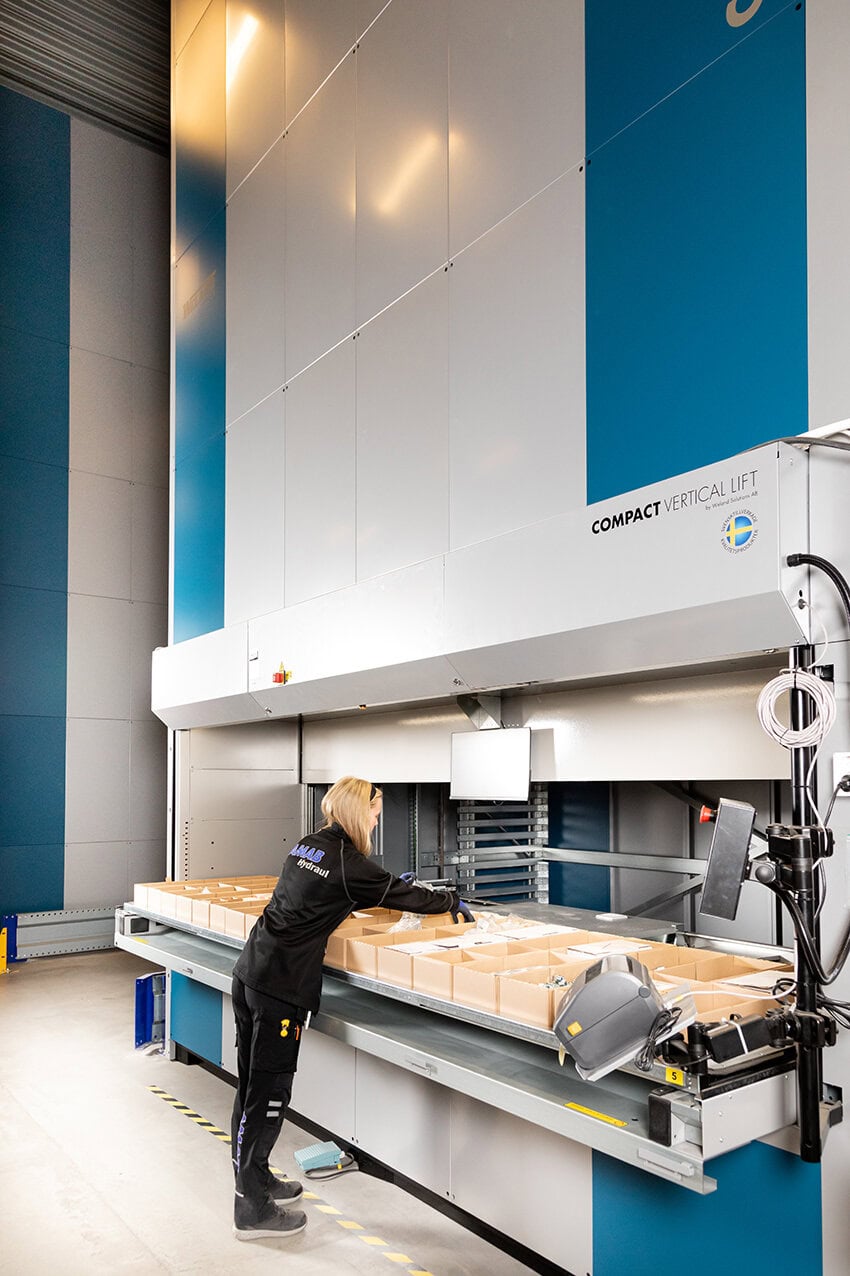
A VLM is an automated system. It’s installed, powered, and ready to operate. Inventory is stored in trays and delivered directly to the operator, eliminating the need to walk or climb.
Where Mezzanines May Fall Short
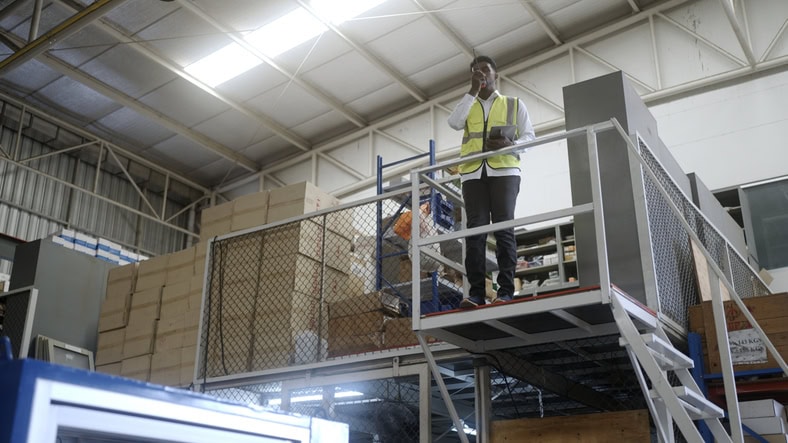
Mezzanines do create more space—but they don’t necessarily make operations more efficient.
Common challenges include:
- Slower access to inventory at elevated levels
- Extra time spent moving product up and down
- Upper levels becoming storage for slower-moving items
In many facilities, the ground floor remains the primary workspace, while the mezzanine becomes secondary.
Where VLMs Stand Out
VLMs approach the problem differently by improving both space and workflow.
Instead of adding more manual storage, they:
- Bring items directly to the operator
- Reduce travel time and unnecessary movement
- Keep picking at an ergonomic height
- Improve inventory organization and control
The result is not just more space—but a more efficient operation.
Cost & Complexity
Mezzanines are typically priced per square foot and can range widely depending on design and requirements. Once you factor in engineering, installation, and compliance, costs can add up quickly.
VLMs are priced per system and require far less structural work. The overall project burden for the customer is typically much lower compared to a mezzanine, while still delivering operational improvements.
The Bottom Line
Both solutions solve a space problem—but only one improves how your operation runs.
- Mezzanine: More space, same process
- VLM: More space, better process
If you simply need extra storage, a mezzanine can work.
If you’re trying to improve efficiency, accuracy, and workflow at the same time, a VLM is typically the stronger investment.
Ready to Improve Your Space?
See how much space and efficiency you could gain with a VLM.