
Vertical Lift Modules (VLMs) and automated carousels eliminate floor travel by bringing inventory directly to the worker. However, because a 10-foot-wide tray still requires lateral stepping and reaching into rear compartments, the physical design of the picking station determines how smoothly an operator can execute each pick.
Here is how to engineer a VLM or carousel access window around human movement mechanics.
1. Access Height and Physical Reach
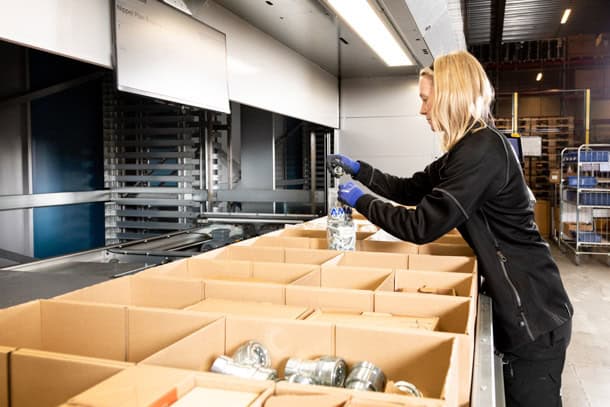
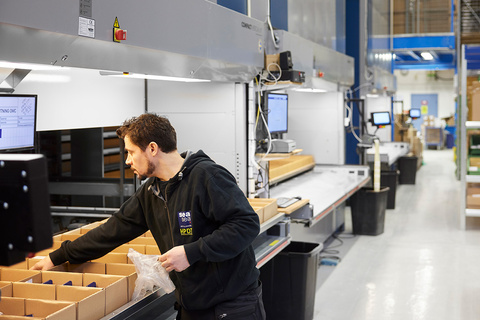
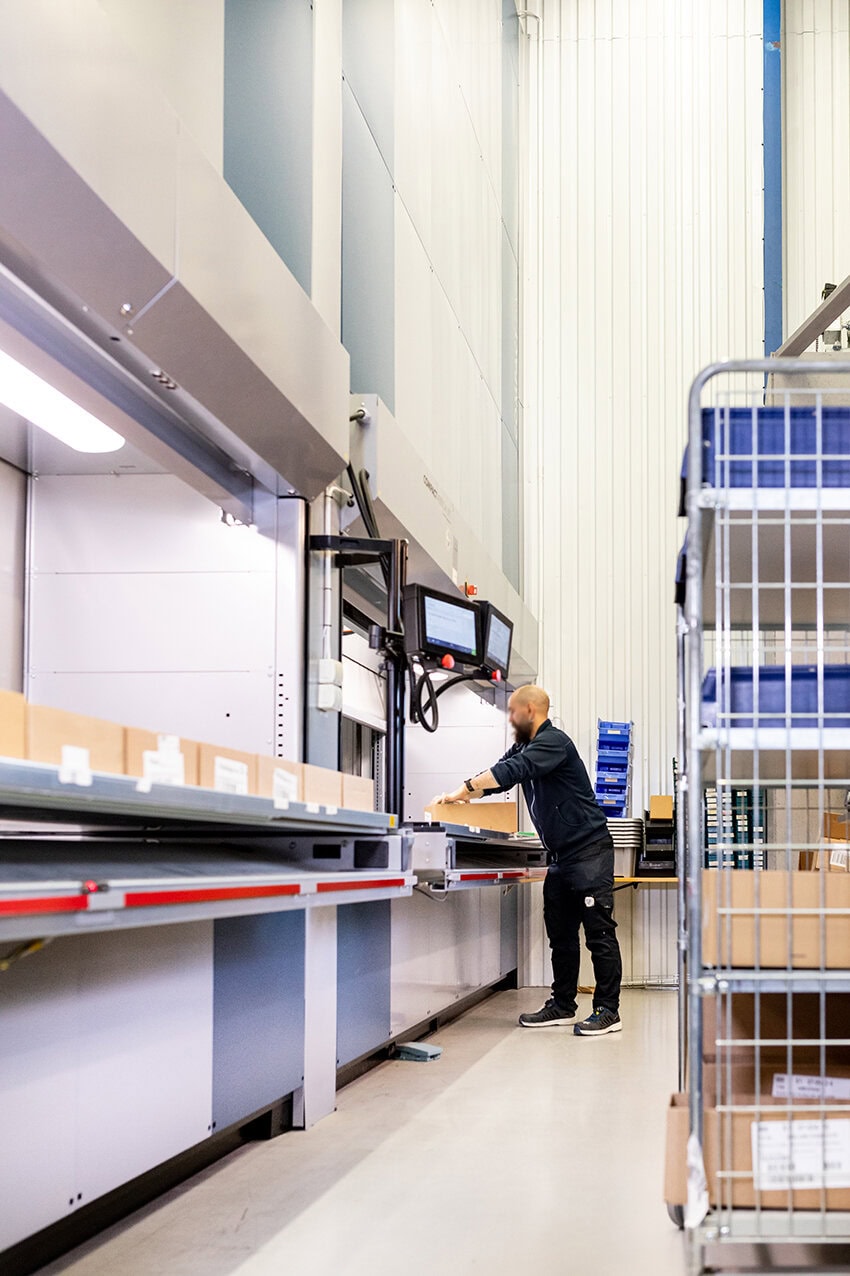
Traditional static racking forces workers into multi-level climbing, crouching, and bending. An automated picking station concentrates that work onto a single presentation plane.
-
Vertical Window Height: Positioning the access counter between 35 inches (waist level) and 55 inches (chest level) allows operators to handle items with elbows bent at a natural 90-degree angle, taking stress off the lower back and shoulders.
-
Front-to-Back Slotting: Because reaching into deep trays requires forward leaning, store high-velocity SKUs in the front 18 to 24 inches of the tray matrix. Reserve rear compartments for slow movers.
-
Recessed Foot Clearance: The base of the machine needs recessed toe-kick space at floor level so operators can stand directly against the counter rather than leaning over an obstacle.
2. In-Line Visual Direction
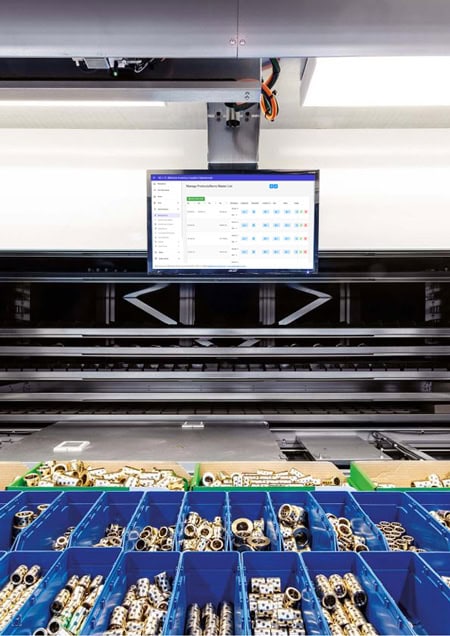
Delivering a tray gets inventory to waist height, but the operator still has to identify the target item among dozens of compartments. Integrating light guidance directly into the window frame cuts down visual scan time.
-
Column and Bin Alignment: Light bars or overhead laser pointers direct the operator’s eyes to the exact bin location across wide or densely partitioned trays.
-
Line-of-Sight Readouts: Digital displays mounted directly at the access opening show pick quantities within the operator’s natural field of view, keeping them from looking away at a distant monitor.
3. Workflow-Integrated Confirmation
Confirming a transaction should fit into the natural motion of the pick rather than adding extra physical steps.
-
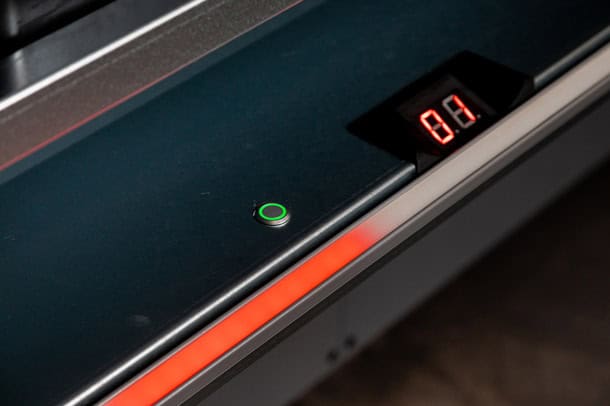
Counter-Level Controls: Mount optical confirmation buttons right at the edge of the access opening for quick, single-tap verification.
-
Hands-Free Options: For two-handed picks or heavy parts, foot pedals or wearable barcode scanners allow operators to verify transactions without dropping items or breaking momentum.
4. Machine Boundary Protection
The picking station is the physical boundary between the operator and internal moving mechanical components.
-
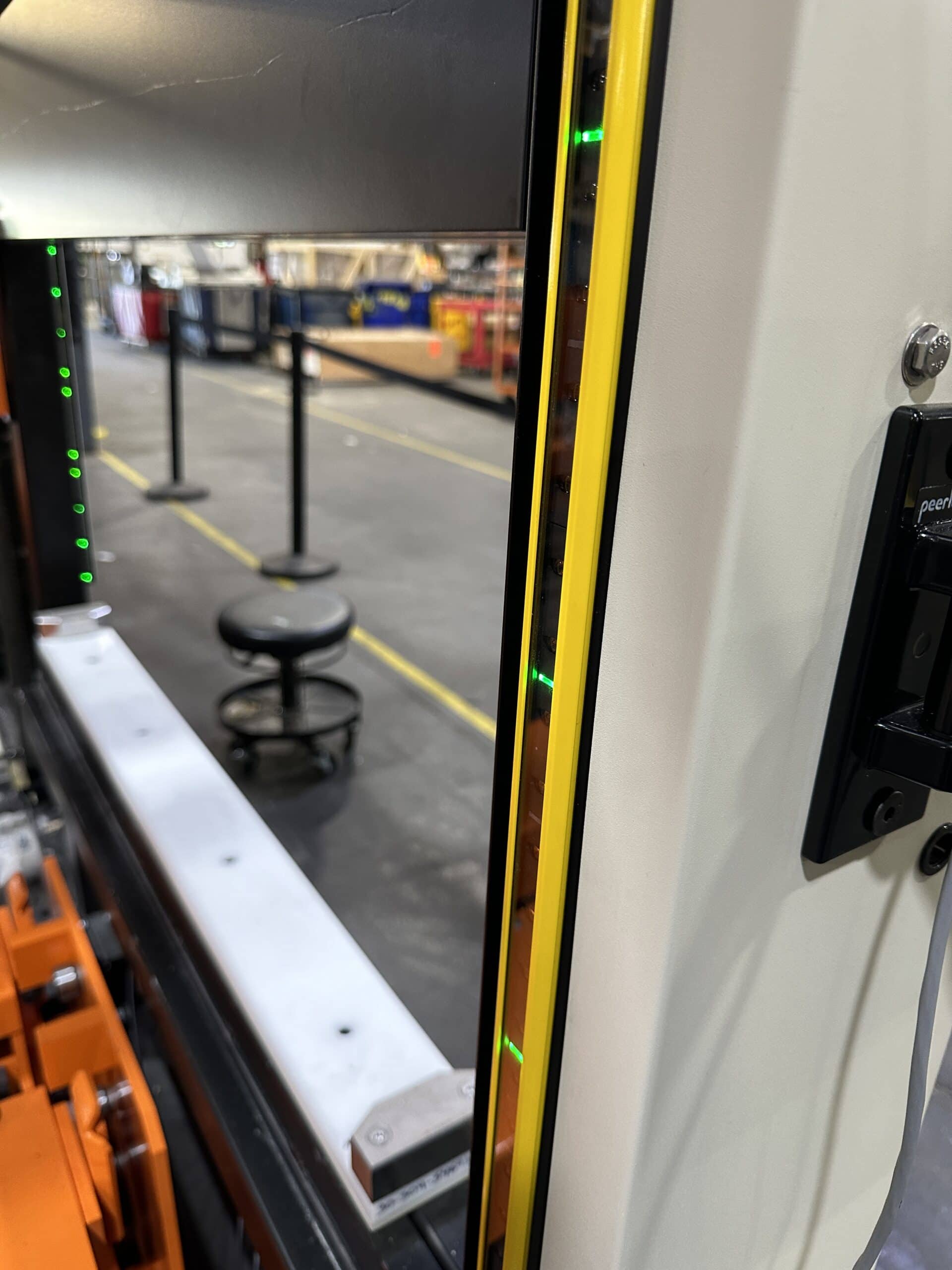
Infrared Light Curtains: Safeguard the delivery opening by instantly pausing internal mechanical motion if an operator reaches into the window while a tray is cycling.
-
Automatic Shutter Doors: Physical doors seal the access window during vertical tray travel, opening only when the tray is locked into position. This isolates moving parts and dampens shop-floor noise.
-
Anti-Fatigue Flooring: Beveled rubber mats at the counter cushion joint impact during long standing shifts.
The Bottom Line
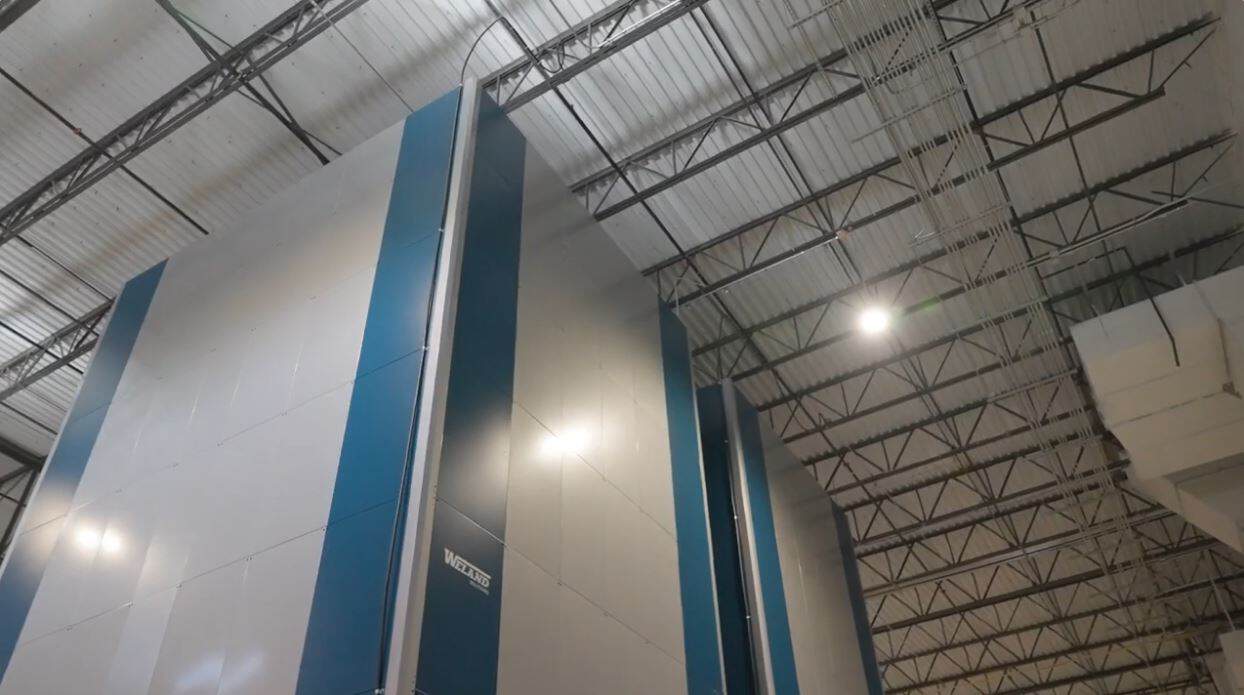
VLM and carousel picking stations don’t make physical movement disappear—they concentrate it into a safer, waist-height plane. Designing the access window around proper presentation heights, visual guidance, and natural confirmation controls builds a cleaner, lower-strain picking process.
Request a Storage Assessment
Tell us a bit about your facility’s layout and current storage bottlenecks, and a White Systems specialist will reach out to schedule an assessment.