
Warehouse Safety & Ergonomics: Reducing Manual Handling Risks with Automation
Engineering the Optimal Access Window to eliminate workplace fatigue and protect your most valuable asset—your workforce.
Warehouse Safety by the Numbers
2.1× Higher Injury Rate
4.8 Cases per 100 Workers
4.1 Cases Affecting Work
OSHA identifies musculoskeletal disorders—primarily caused by overexertion during lifting and lowering—as among the most common injuries in warehousing. Automated goods-to-person storage can help reduce exposure to the repeated bending, reaching, lifting, climbing, and walking that contribute to these risks.
Assessing and Managing Manual Handling Risks
The Cumulative Impact of Routine Movement
Warehouse safety is fundamentally a design challenge. When operators are forced to bend, reach, or climb, fatigue becomes a built-in part of the process. Over time, these routine movements accumulate into a higher risk of musculoskeletal disorders and inconsistent workflows.
Identifying Manual Handling Risk Factors
A thorough manual handling risk assessment looks at the physical effort required for every retrieval. Common risks we help facilities eliminate include:
-
Repeated Bending: Pulling parts from floor-level shelving or deep bins.
-
Overhead Reaching: Accessing inventory stored above the shoulder line.
-
Routine Ladder Use: The inherent risk of falls during daily picking activity.
-
Long Walking Distances: Leading to significant workplace fatigue and decreased focus.
Engineering the "Optimal Access Window"
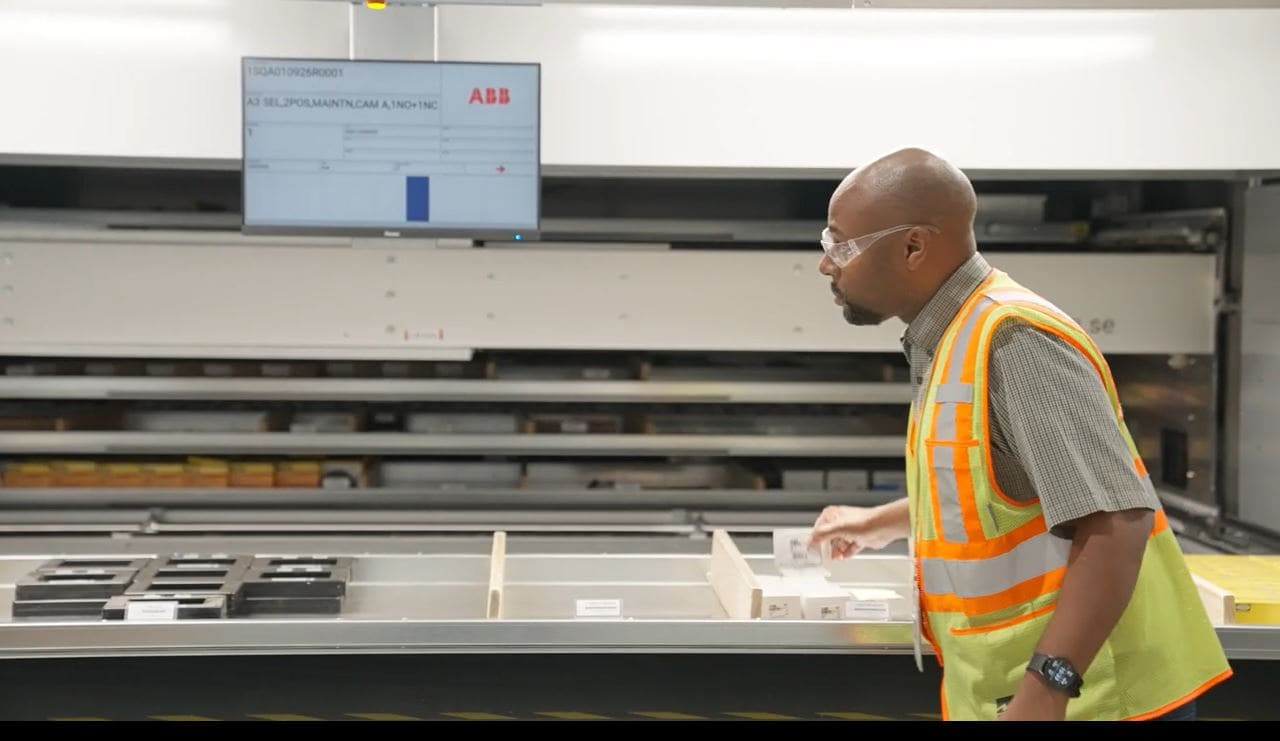
To improve ergonomics in a warehouse, you must bring the work to the person. Our VLM and Carousel systems are engineered to deliver every tray within the Optimal Access Window—a fixed, consistent height that allows for a Neutral Reach Profile.
Technical Comparison: Manual vs. Automated Storage
Field Report: The Safety Impact of Vertical Consolidation
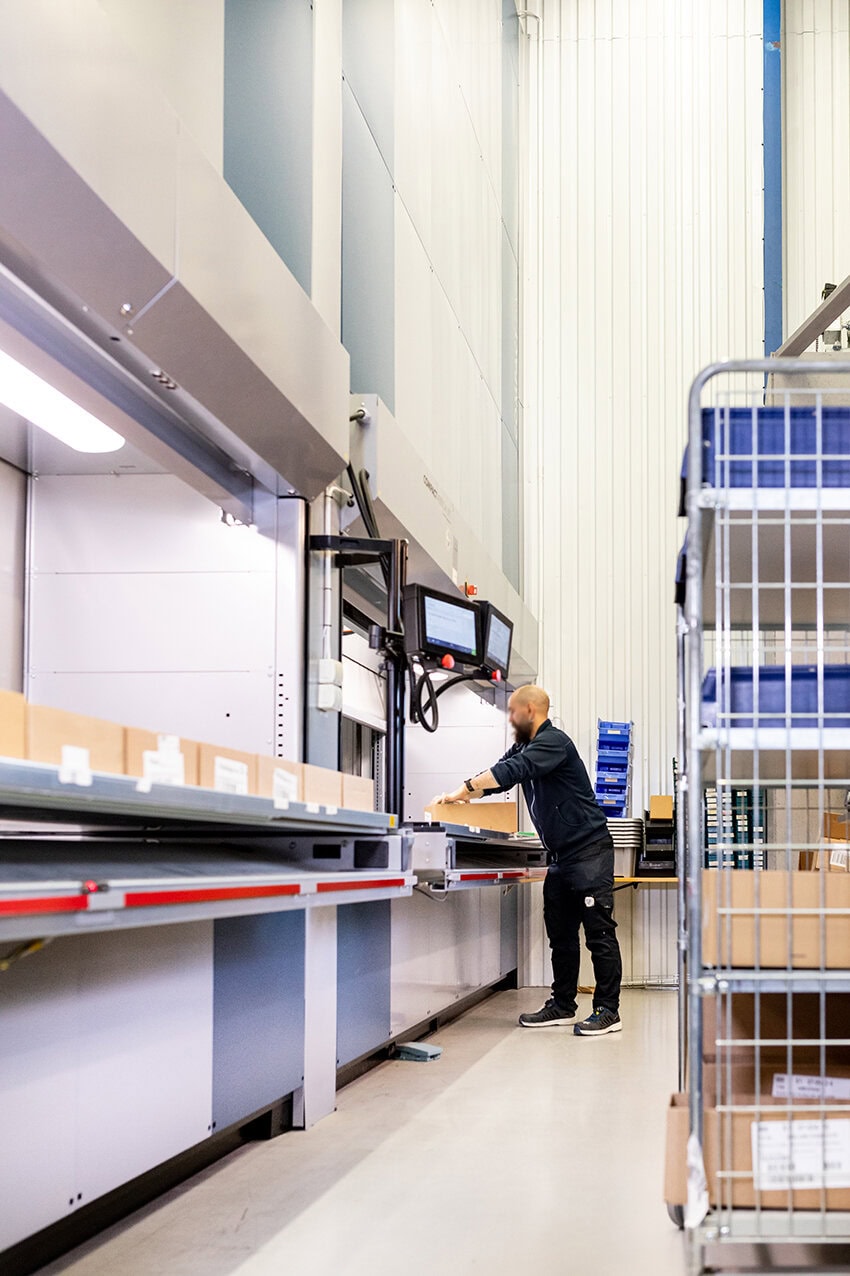
While many facilities implement automated storage for space savings, the primary operational win is the drastic reduction in physical risk. In high-volume manufacturing environments, shifting to a goods-to-person workflow changes the safety profile of the entire facility.
-
The Challenge: A major industrial partner was utilizing traditional shelving that required operators to walk miles per shift and use ladders for over 40% of their daily picks.
-
The Engineered Solution: By consolidating inventory into a series of Vertical Lift Modules, we transitioned all picking activity to the Optimal Access Window.
-
The Outcome: The facility successfully eliminated routine ladder use and reduced operator travel by over 60%. These changes significantly lowered workplace fatigue and provided a more sustainable, ergonomic environment for an aging workforce.
Watch the ABB VLM in action


Industrial Safety Standards & Built-in Protection
Automation acts as a physical safeguard by removing the environmental hazards common in traditional layouts. By utilizing high-density vertical storage, you can address key items on a warehouse safety inspection checklist:
-
Aisle De-cluttering: Consolidating inventory reduces aisle congestion and separates pedestrians from heavy machinery and forklift traffic.
-
Fall Prevention: By utilizing vertical space internally, our systems remove the need for ladders or man-lifts in the picking zone. See how automated storage removes these risks compared to traditional shelving.
-
Integrated Machine Safety: White Systems equipment includes safety light curtains, emergency stops, and enclosed access areas to ensure secure operator interaction.
The Impact of Ergonomics on Productivity
In an industrial environment, safety and productivity are inseparable. When workers are fatigued or forced into awkward positions, accuracy suffers. By engineering an ergonomic warehouse design, you ensure that picking speed and accuracy remain consistent from the first hour of a shift to the last.
For facilities facing labor shortages or an aging workforce, ergonomics is a strategic tool for employee retention and long-term sustainability.
Evaluate Your Facility
Identify the “hidden” manual handling risks in your operation. Use our technical resources to spot opportunities for improvement and enhance your operational efficiency.