Buying a Vertical Lift Module (VLM) is a major capital investment. While most supplier quotes clearly outline standard machine dimensions and maximum tray weight capacities, the operational details that dictate your real-world throughput, daily ROI, and ongoing support costs are often buried in the fine print—or left out entirely.
Before signing a purchase order, ask prospective vertical lift module suppliers these eight questions to protect your budget and ensure you’re getting a system tailored to your exact facility.
1. "How was this specific VLM height and tray configuration calculated?"
A VLM should be engineered around your inventory data, not pulled off a shelf as a standard package.
-
Ask the supplier if their storage recommendation is based on your actual SKU dimensions, heights, and weight distributions, or just rough facility averages.
-
The technical detail that matters: Ask how the system handles vertical space allocation. Does the VLM dynamically scan and store items based on precise vertical inch spacing, or does it rely on rigid, pre-set shelf intervals that waste cubic volume?
2. "What are the exact tray delivery mechanics during peak picking?"
Spec sheets highlight maximum machine speeds, but ideal single-tray speed rarely reflects a busy shift.
-
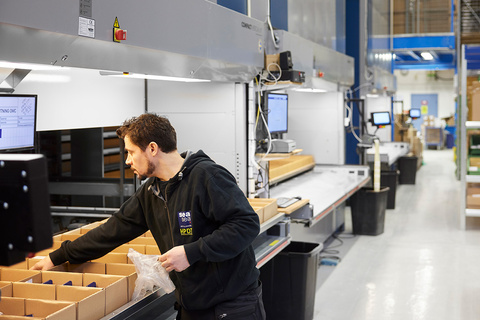
Ask the supplier to walk through the physical sequence—and exact time delay—between an operator completing a pick and the next tray arriving in the access window.
-
If your application requires high throughput, ask whether the machine utilizes continuous tray staging or single-tray delivery, and how that impacts operator wait time.
3. "What software is included, and how does it interface with our ERP/WMS?"
A VLM’s hardware is only as effective as the inventory management software controlling it.
-
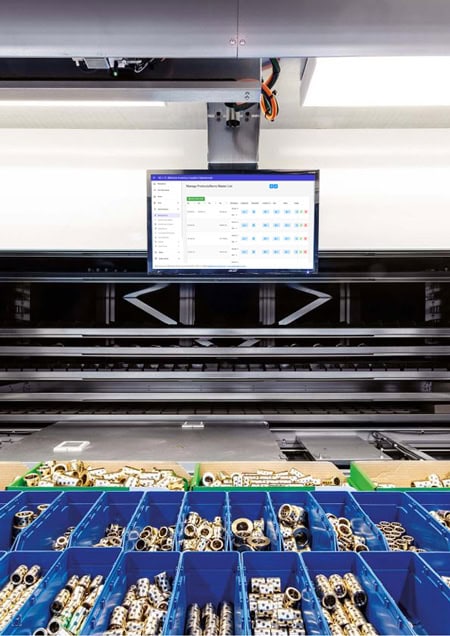
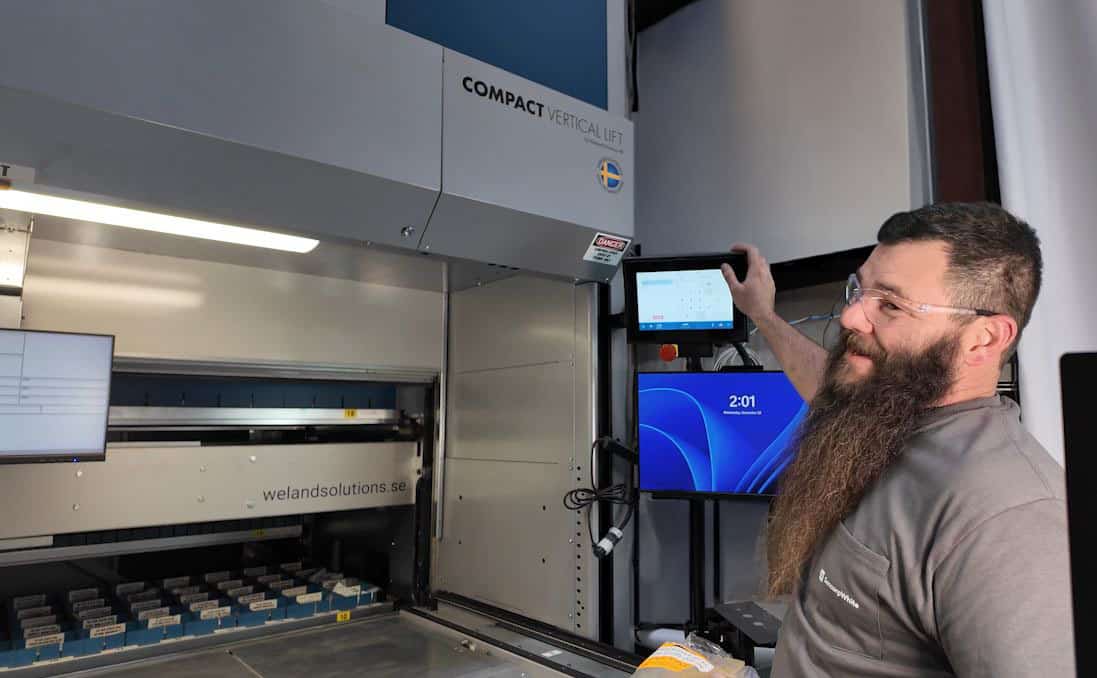
Ask to see the exact software interface your operators will use daily.
-
Clarify whether the machine runs on a uniform control platform across the supplier’s product line, or if it uses legacy software.
-
Confirm whether integration requires custom middleware, standard APIs, or a full software rewrite—and ask if ongoing software license fees are included in the quote or billed annually.
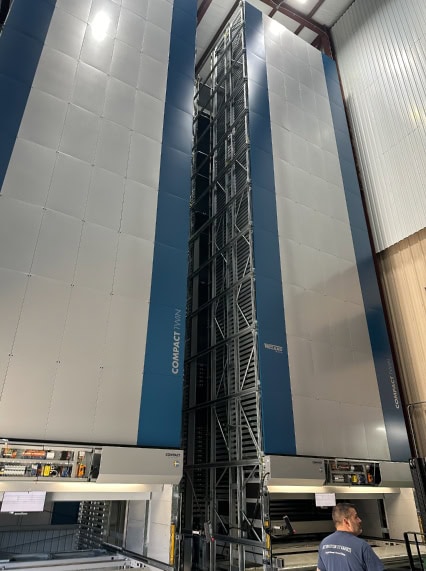
4. "What is the true maximum build height—and can it be expanded later?"
Your storage needs will change as your business grows.
-
Verify the absolute maximum build height for the proposed VLM model (for example, standard industrial VLMs typically top out around 50 to 52 feet).
-
Ask if the structural frame allows for physical vertical extensions in the field if you move to a facility with higher ceilings, and what structural modifications that process requires.
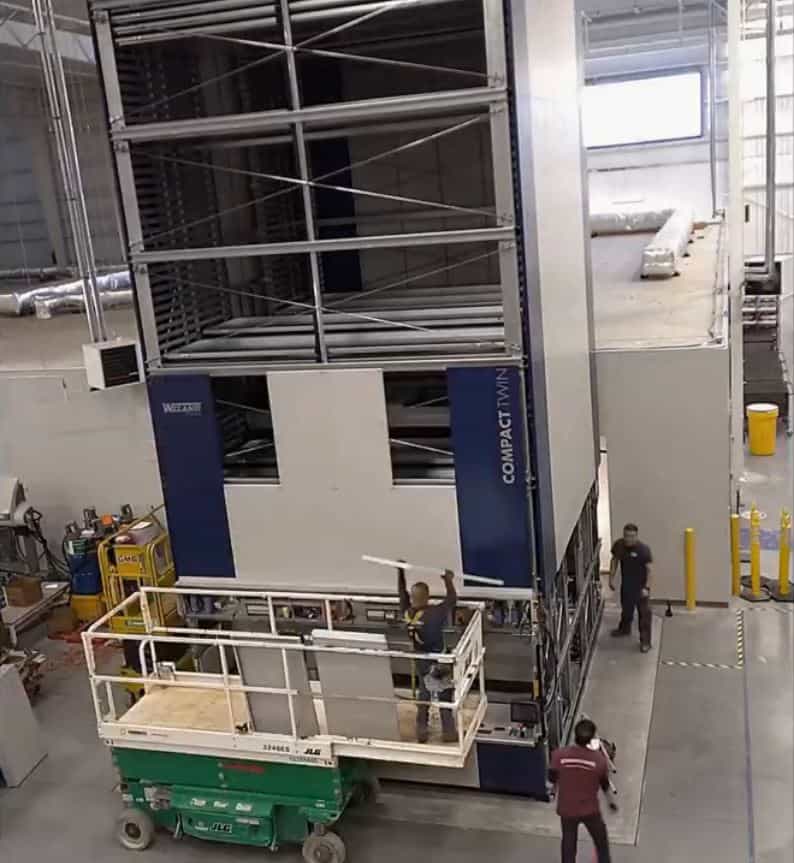
5. "What site preparation and installation costs are EXCLUDED from this quote?"
Two supplier quotes can show the exact same equipment price while representing completely different scopes of work. Ask for an explicit list of facility requirements that fall on your internal team.
-
Floor & Structure: Does the concrete slab require specialized levelling, rebar scanning, or reinforced anchoring beyond standard industrial tolerances?
-
Utilities & Logistics: Are electrical runs, network drops, compressed air lines, and local permits included? Who is responsible for providing dedicated rigging equipment and offloading the delivery trucks?
6. "Who handles service, and where are replacement parts stocked?"
Unplanned downtime on an automated retrieval system halts outbound fulfillment. A low equipment price quickly loses its appeal if getting a service tech takes three days.
-
Ask who actually services the machine: OEM factory technicians, a regional distributor, or a third-party contractor?
-
What is the guaranteed response time for emergency service, and where is the primary spare parts warehouse located?
7. "What does routine preventive maintenance involve for our team?"
Understand what it takes to keep the machine running smoothly before you take ownership.
-
Ask about the drive mechanism, guide profiles, and mechanical components that require routine lubrication or inspection.
-
Clarify what maintenance can be handled in-house by your facility team versus what requires a certified technician to maintain warranty coverage.

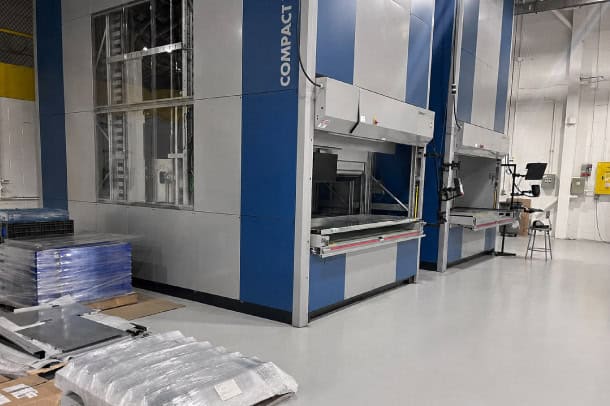
8. "Can we visit an active facility operating a similar configuration?"
Showroom demonstrations and CAD simulations are engineered to look flawless. Ask the supplier to arrange a site visit or reference call with a customer running a similar SKU volume, tray footprint, and shift pattern. Seeing how a system performs under real-world warehouse conditions—and asking an active customer about supplier support—gives you the truest picture of long-term reliability.
The Bottom Line
A trustworthy automated storage partner won’t hesitate to walk through these engineering, operational, and financial specifics line by line. Getting documented answers to these eight questions before you sign ensures your facility receives a system built for operational longevity, straightforward maintenance, and actual throughput performance.
Request a Storage Assessment
Tell us a bit about your facility’s layout and current storage bottlenecks, and a White Systems specialist will reach out to schedule an assessment.