
Reclaim Your Production Floor with Automated Storage
Store dies, fixtures, tooling, parts, kits, and WIP in a fraction of the floor space—while giving operators faster access at the point of use.
Request a Storage Assessment
Tell us a bit about your facility’s layout and current storage bottlenecks, and a White Systems specialist will reach out to schedule an assessment.
Reclaim Up to 85% of Floor Space
Faster Goods-to-Person Picking
Heavy-Duty Parts and Tool Storage
Connected Inventory Control
Your Production Floor Shouldn’t Double as a Storage Area
Dies, fixtures, gauges, fasteners, MRO spares, and work-in-process inventory tend to spread across shelves, carts, cabinets, and tool cribs. As production grows, storage gradually takes over space that should be housing press brakes, laser cutters, welding cells, or active assembly lines.
The problem is not just clutter. Operators lose time walking and searching, shared tools become harder to track, and critical parts are not always where production expects them to be.
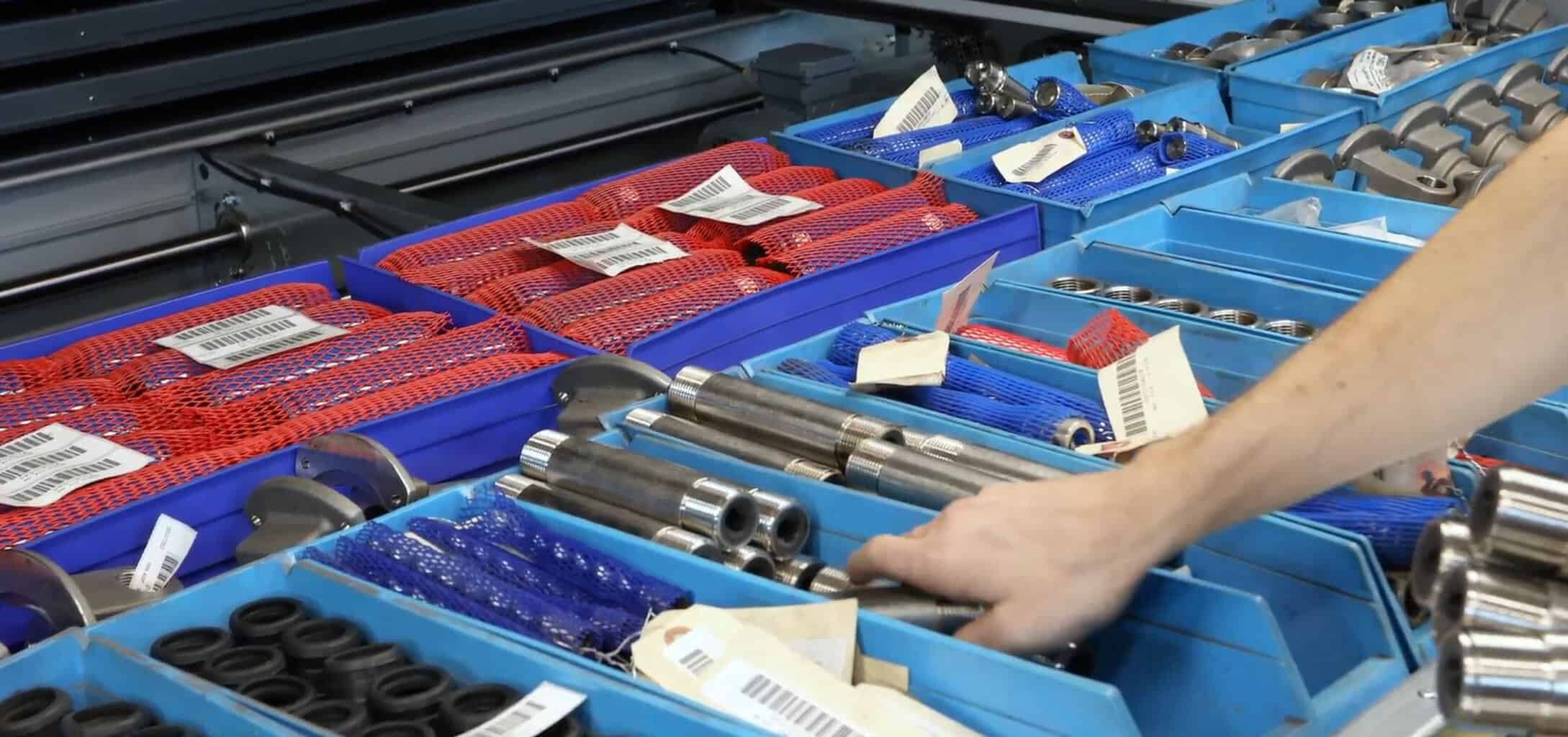
Detailed organization of complex tooling.
Problems Seen in Manufacturing Operations
Production Space Gets Buried
Static shelving consumes valuable square footage that could support new equipment, work cells, or additional capacity.
Retrieval Slows the Shift
Operators spend time walking, searching, and waiting for the tooling or components needed to keep work moving.
Inventory Control Breaks Down
Items stored across multiple locations are harder to track, replenish, and return correctly between shifts.
Bring Stored Items to the Operator
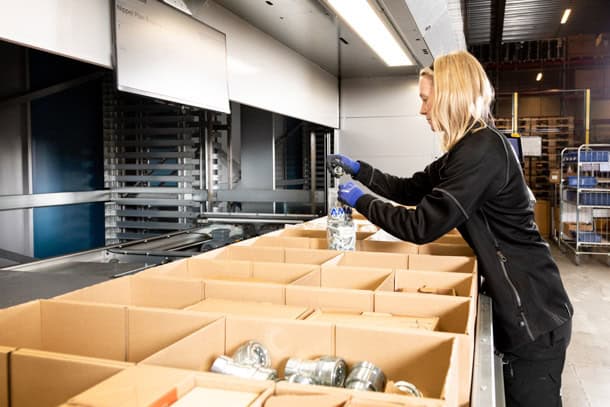
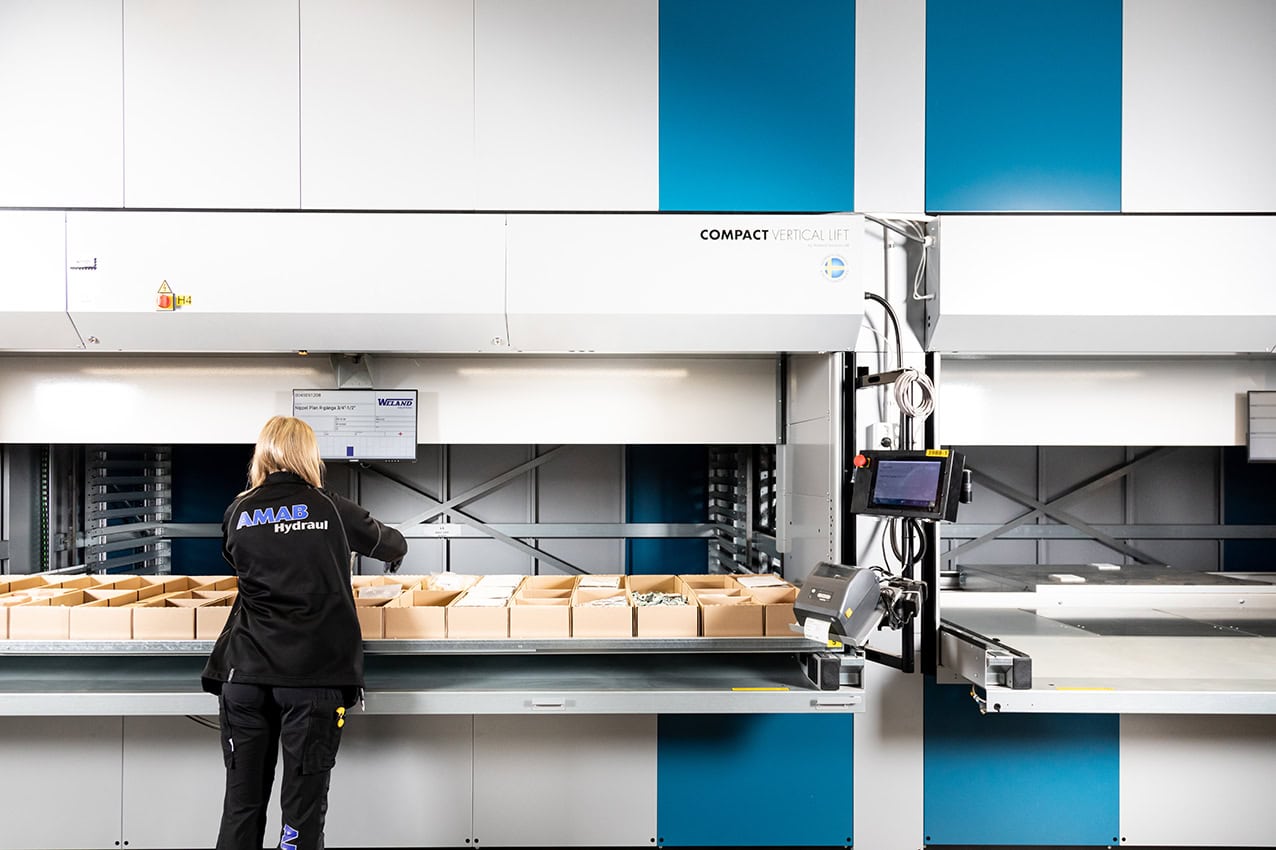
Automated storage brings the requested tray or carrier directly to an ergonomic access point. Tooling, parts, kits, and WIP stay organized in one controlled system instead of being scattered across the production floor.
Operators spend less time searching and walking. Supervisors gain better visibility into stored inventory. The facility gains room for production without expanding the building.
Automated Storage Built for Fabricated Metal Operations
White Systems offers vertical and horizontal storage systems for operations handling everything from hardware bins and precision gauges to heavy stamping dies and custom welding jigs.
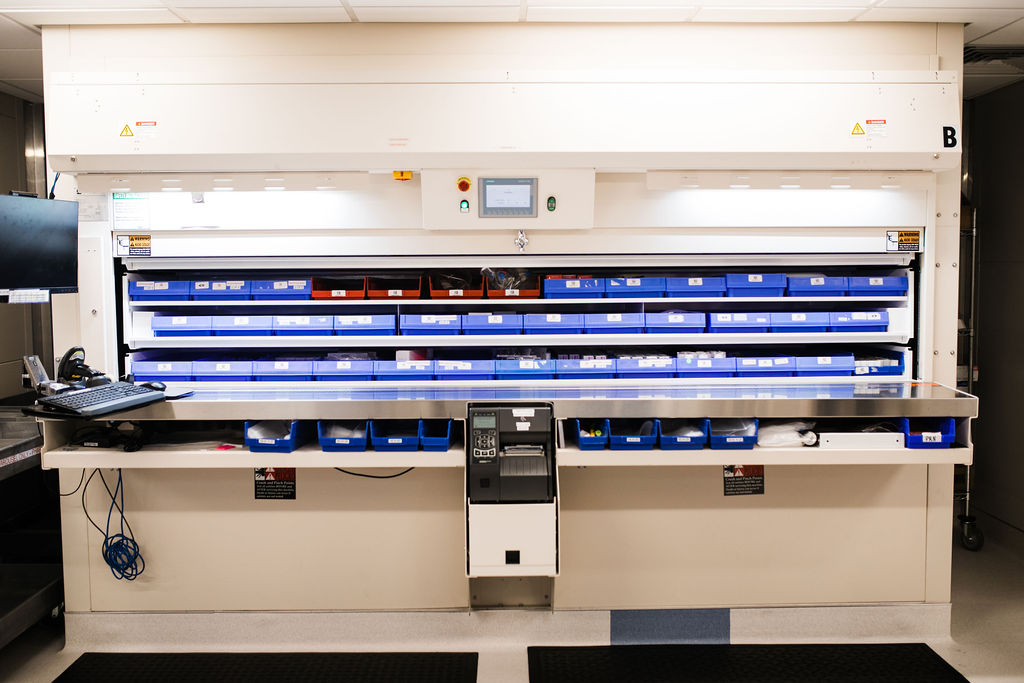
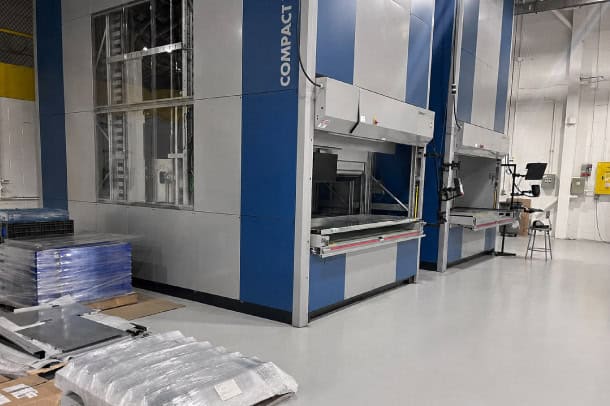
Vertical Lift Modules
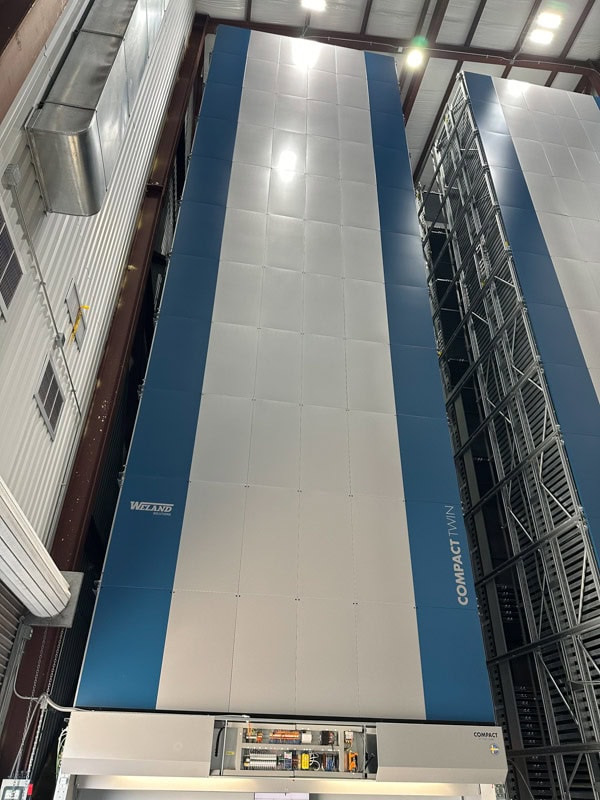
Use available ceiling height to consolidate inventory into a compact footprint. From our heavy-duty PowerColumn 3 (built for dense 2,000-lb tool and die storage) to our high-throughput Compact series, our vertical lift modules automatically deliver the exact tray required directly to the operator.
Vertical Carousels
Vertical carousels rotate shelves to bring stored items to the access opening. They provide fast, organized access to frequently used parts while reducing the floor space required by shelving and cabinets.
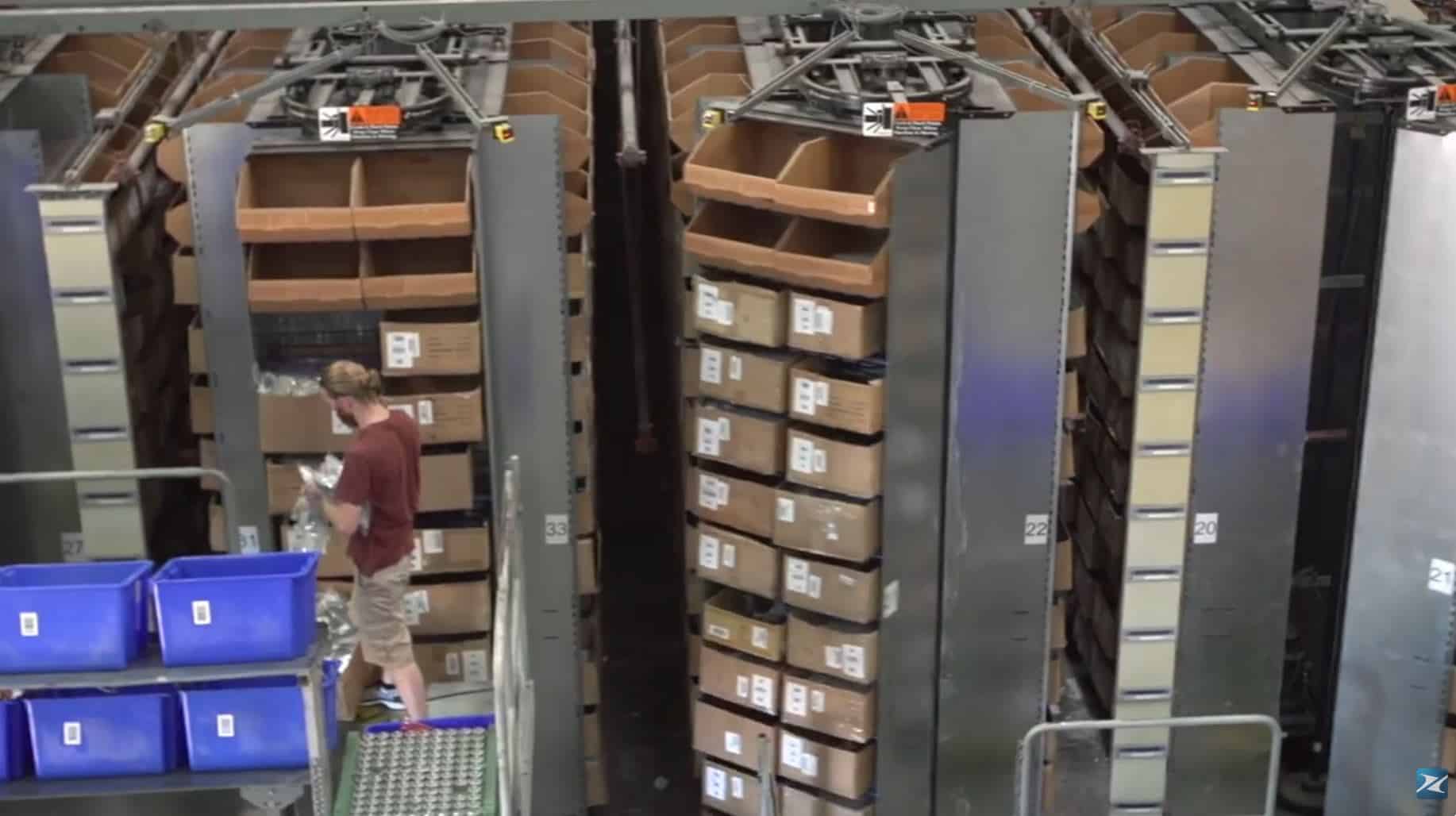
Horizontal Carousels
Horizontal carousels are designed for fast picking across larger inventories. Multiple units can work together to support batch picking, production kitting, and high-volume parts retrieval.
Store More Than Small Parts
Automated storage is not limited to lightweight bins. White Systems offers configurations for heavy tooling, fixtures, dies, raw materials, replacement components, and oversized production inventory.
Tray sizes and capacities can be configured around the items your operation actually needs to store, including dense, concentrated loads weighing up to 2,000 pounds per tray on our U.S.-made PowerColumn 3 VLM.
Know What You Have—and Where It Is
Inventory software connects stored items with their assigned locations, quantities, users, and transactions. Operators can search for an item, request it from the machine, and record inventory activity from one controlled interface.
Integration options are available for ERP, WMS, and other production systems, helping manufacturers improve inventory visibility without creating another disconnected process.
What Changes After Storage Is Automated
More Room for Production
Consolidate shelving, cabinets, carts, and tool cribs into a much smaller storage footprint.
Faster Access to Critical Items
Bring tooling, parts, kits, and supplies directly to the operator instead of sending employees across the facility.
Better Inventory Accountability
Control access and maintain clearer records of item quantities, locations, and transactions.
Safer, More Organized Work Areas
Keep stored items contained while reducing unnecessary walking, reaching, lifting, and floor congestion.
See Automated Parts Storage in Action
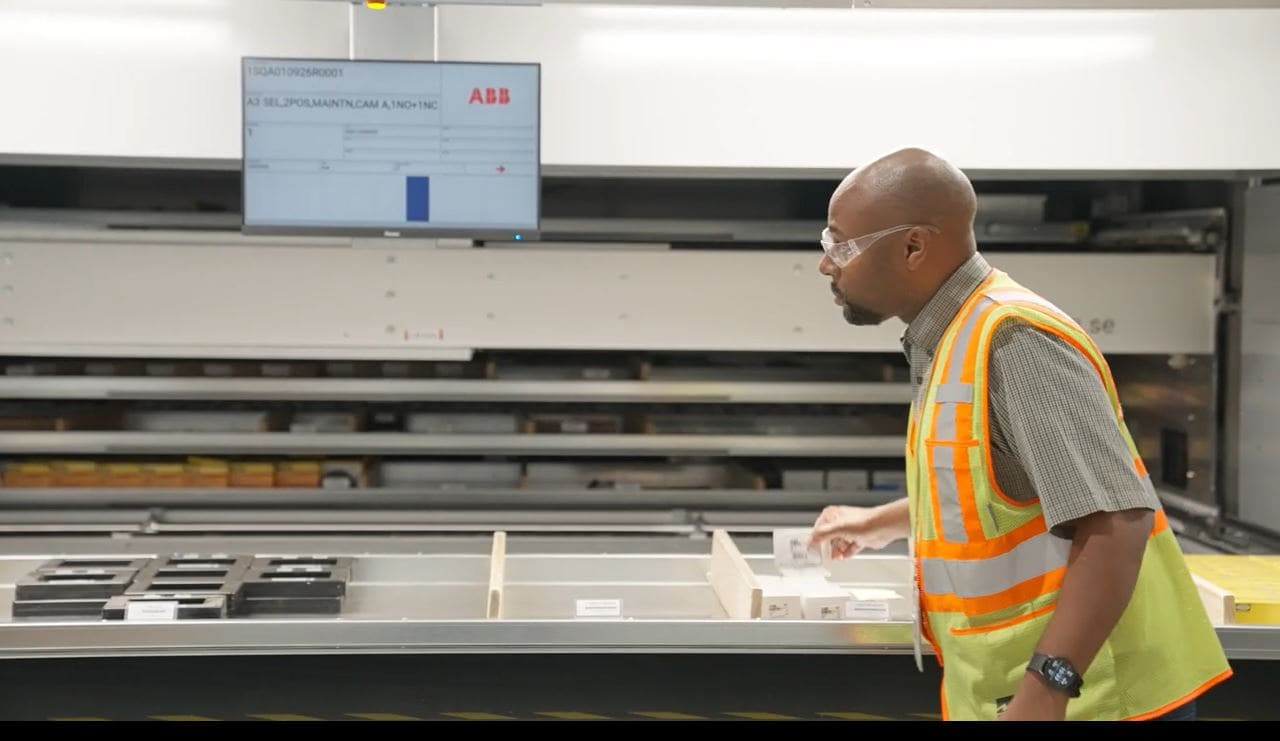
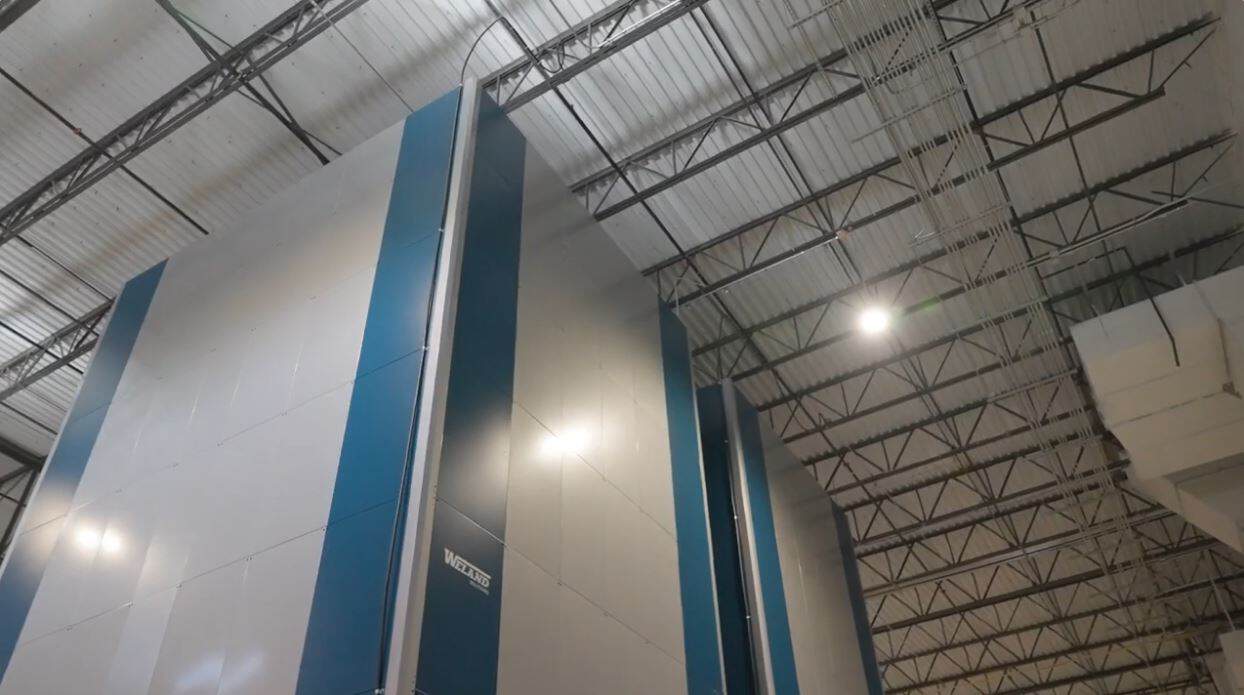
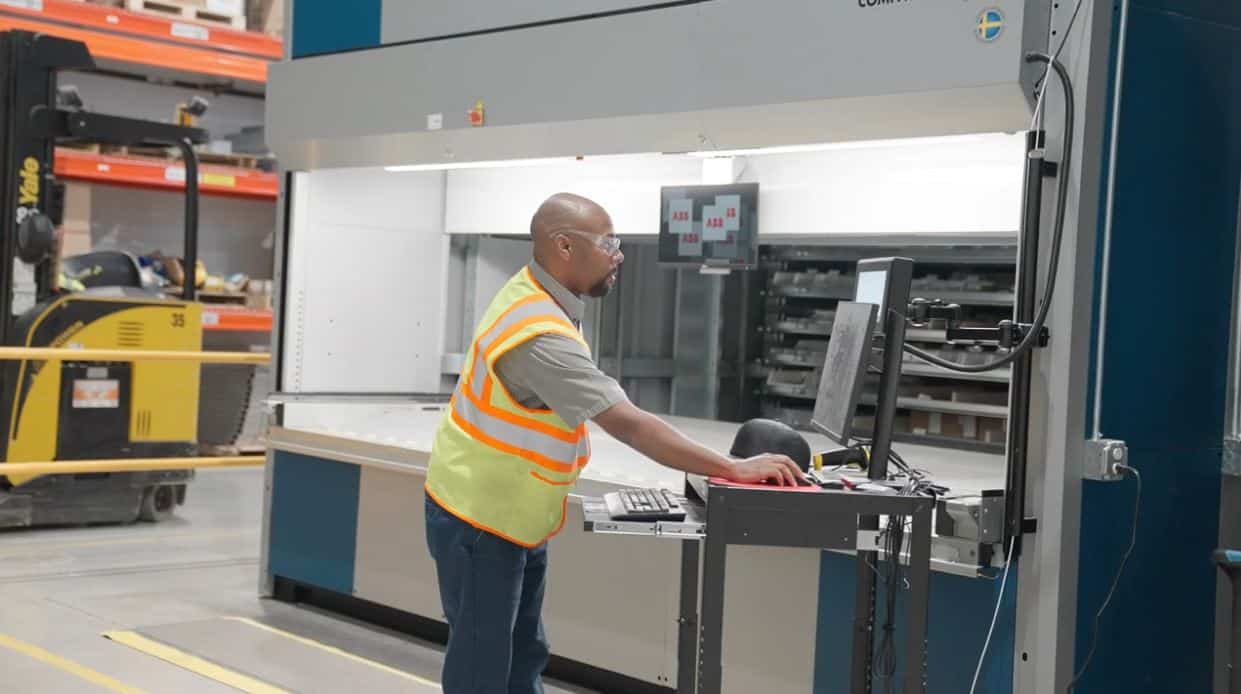
Case Study: How ABB eliminated 500+ scattered bin locations.
ABB needed to reclaim production space and improve access to technical parts stored throughout its facility. Automated vertical storage helped eliminate more than 500 individual bin locations and return valuable floor space to production.
Frequently Asked Questions
Can a vertical lift module genuinely handle heavy metalworking dies and fixtures?
Absolutely. Our U.S.-made PowerColumn 3 VLM is engineered specifically for heavy industrial storage, supporting tray capacities up to 2,000 pounds. Its stable four-point rack-and-pinion drive ensures safe, balanced movement for dense, heavy items.
How much floor space can we realistically expect to save?
Depending on your current ceiling height and how spread out your static cabinets and tool cribs are, our vertical lift modules can condense your physical storage footprint by up to 85%.
Can we store different sized parts inside the same machine?
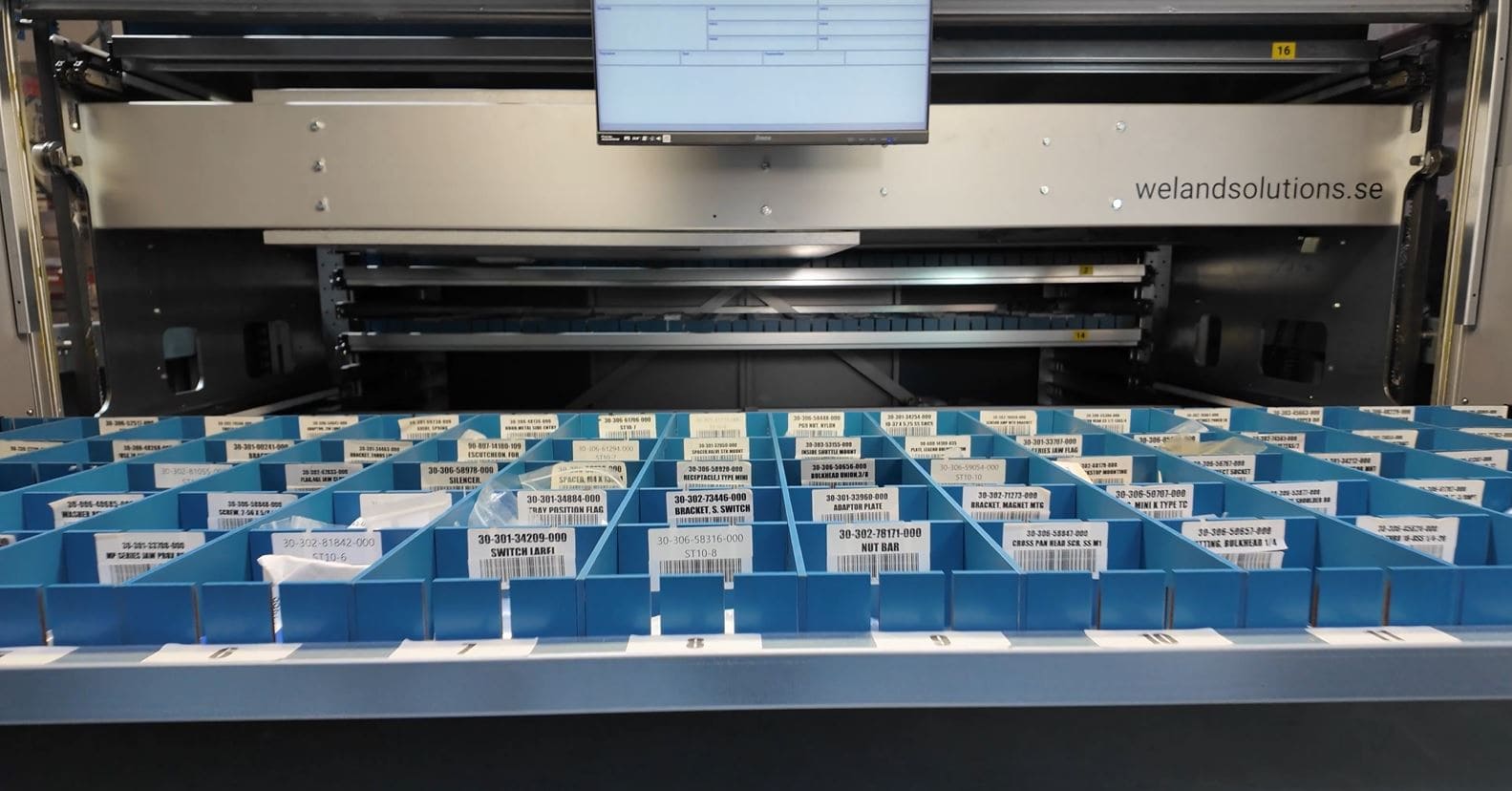
Yes. Trays can be dynamically partitioned. You can store small fasteners in divided bins next to larger, loose fixtures on the exact same tray, maximizing the volumetric efficiency of the unit.
How Much Production Space Is Tied Up in Storage?
A storage assessment can identify inventory that could be consolidated, estimate potential floor-space savings, and help determine which automated storage system fits your operation.