
How to Improve Warehouse Picking Speed and Accuracy
How to Improve Warehouse Picking Speed and Accuracy
Turn slow, error-prone picking into a controlled, guided process
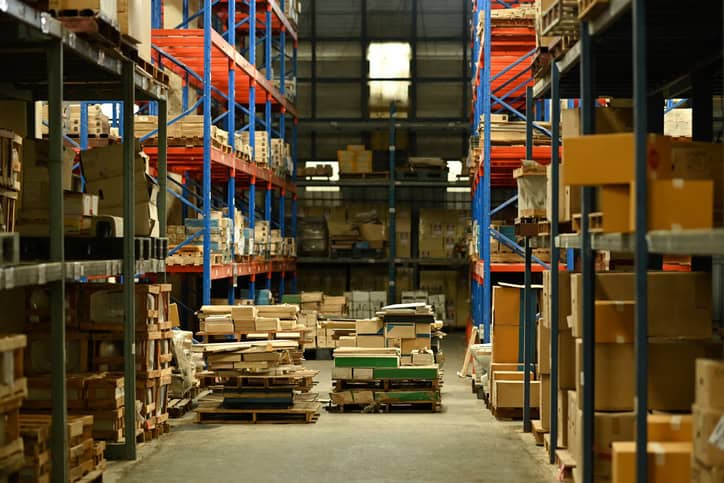
Picking problems usually start small. A few extra steps. A misplaced part. A picker searching through shelves. A missed quantity. A rushed order pulled from the wrong bin.
Over time, those small problems add up: slower fulfillment, inaccurate inventory, wasted space, rework, production delays, and frustrated employees.
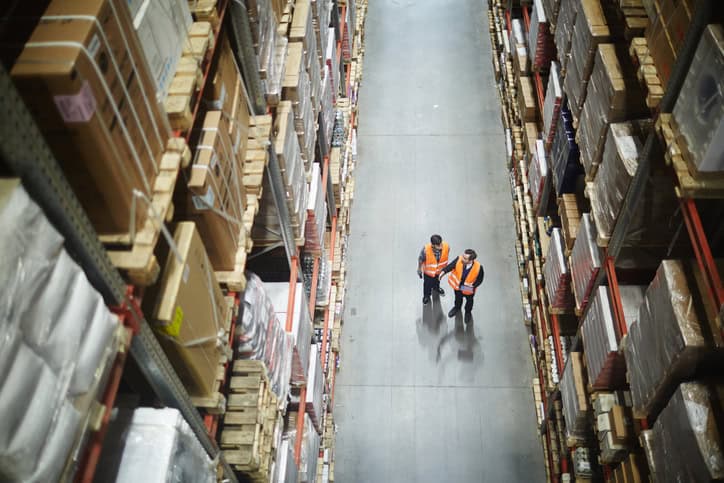
If your team still relies on static shelving, manual search, or long walking paths, asking employees to “be more careful” won’t fix it. The process has to change.
Improve picking speed and accuracy — Talk to a storage expert
Why picking accuracy breaks down
Picking errors are usually a system problem, not a people problem. Employees are working inside a process that makes mistakes easy.
Common causes include:
Similar-looking parts stored near each other Poorly labeled bins or shelves Inventory spread across multiple uncontrolled locations Long travel paths between picks Manual counting or handwritten pick lists Outdated inventory records Items stored out of reach or above eye level Multiple employees accessing the same stock without clear tracking Rush orders disrupting normal workflows
The most effective warehouse picking solutions eliminate as much uncertainty from the process as possible.
Eliminate wasted motion by bringing items to the operator
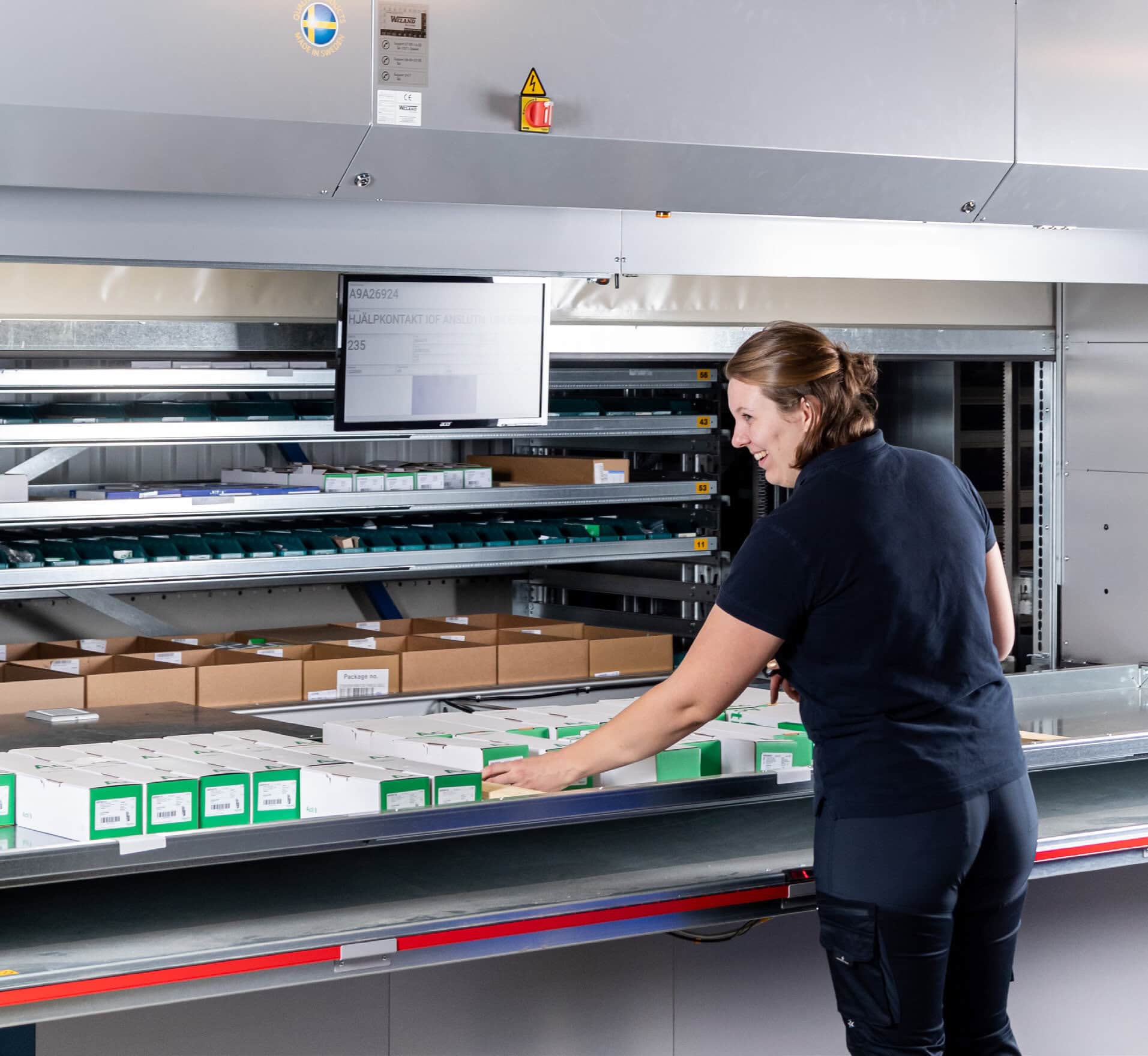
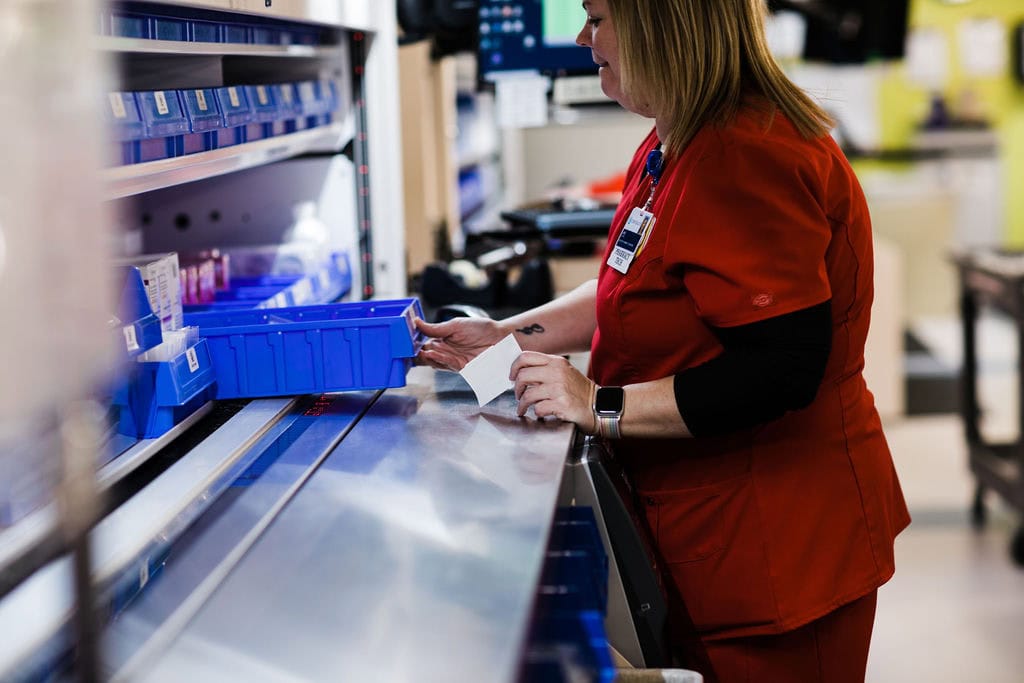
With static shelving, the worker goes to the part. With automated vertical storage, the part comes to the worker.
That single change removes a significant amount of wasted motion from daily operations. The system automatically delivers the correct tray to an ergonomic access point, helping facilities complete the same storage and retrieval work with fewer steps and less travel. This is why scheduling a 15-minute demo is often the fastest way to see how these units eliminate the “walking tax” in your specific facility.
Recover valuable floor space for production
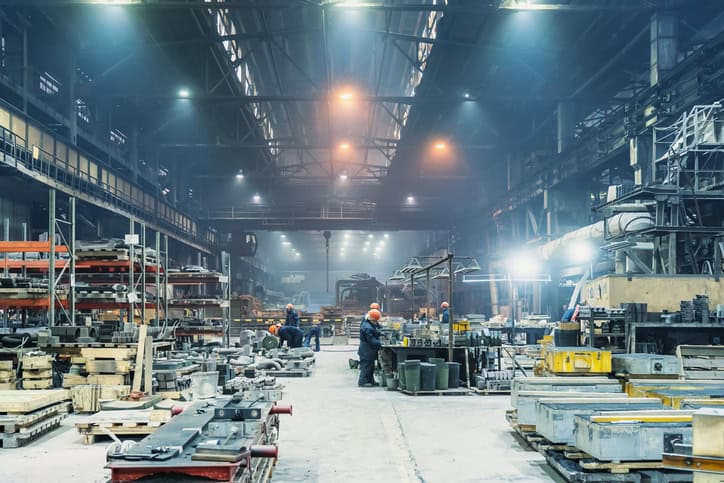
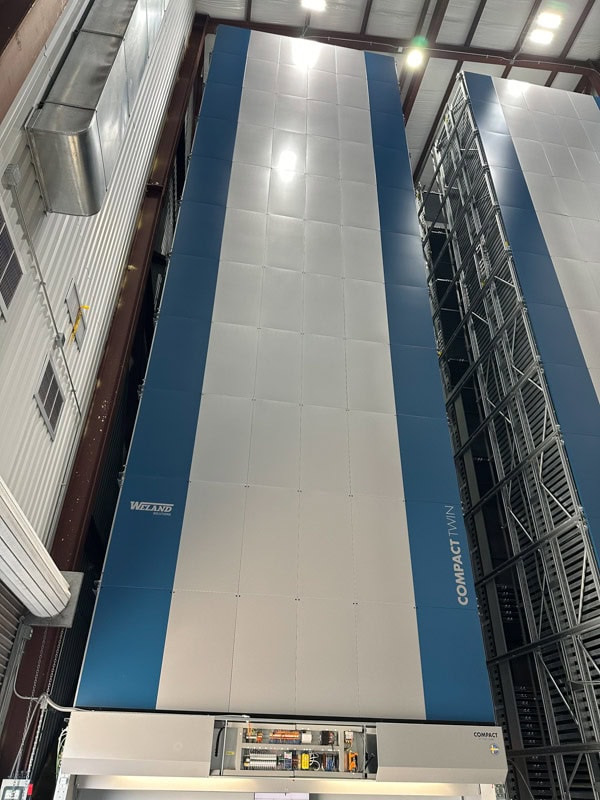
Static shelving spreads inventory horizontally. Every row requires floor space, aisle space, and access clearance. By storing trays vertically inside an enclosed machine, you can consolidate inventory into a much smaller footprint while keeping items accessible.
Instead of letting shelving consume more floor space as inventory grows, facilities can store more parts in less space. This allows you to keep critical square footage available for work that drives revenue. Despite the high density, these systems offer massive weight capacities—often exceeding 2,000 lbs per tray—to handle your heaviest industrial components.
Improve workplace safety and ergonomics
Static shelving often forces workers into less-than-ideal retrieval conditions: reaching above shoulder height, bending near the floor, or navigating aisles shared with forklifts.
Automated systems change the working environment. Items are delivered to the operator at a controlled access point at a height that minimizes physical strain.
-
Ergonomic goods-to-person picking
-
Enclosed inventory storage
-
Controlled access through user permissions
-
Reduced ladder and lift use for routine picking
Related resource: Warehouse Safety & Ergonomics Resource →
Comparison: Static Shelving vs. Vertical Lift Modules
See what shelving is really costing your facility
If your team is walking, searching, climbing, or running out of floor space, static shelving may already be limiting your operation. Send us your current storage layout, inventory details, or available ceiling height. We’ll help you compare your current shelving footprint against a VLM configuration and identify where automated storage solutions can save space, time, and labor.
Analyze your facility's storage ROI
If your team is walking, searching, climbing, or running out of floor space, static shelving may already be limiting your operation. Because total ROI depends heavily on your specific facility variables—like available ceiling height, software integration, and load capacities—a generic quote won’t give you the full picture.
Send us your current storage layout or inventory details. We’ll help you compare your current shelving footprint against an automated configuration so you can explore the exact pricing variables for your operation and identify where automation will save space, time, and labor.