Warehouse Inventory Management Solutions for Storage, Picking, and Inventory Control
Warehouse inventory management depends on more than software. It also depends on how inventory is stored, identified, picked, replenished, and tracked every day.
When parts, products, tools, or supplies are spread across shelves, bins, racks, cages, and storage rooms, employees can lose time walking, searching, counting, or waiting for inventory. Over time, that can lead to slower picking, inaccurate counts, duplicate inventory, stockouts, and poor visibility into what is actually available.
White Systems helps facilities improve warehouse inventory management with automated storage systems, barcode-supported workflows, inventory software, and goods-to-person picking solutions designed to keep inventory organized, accessible, and easier to control.
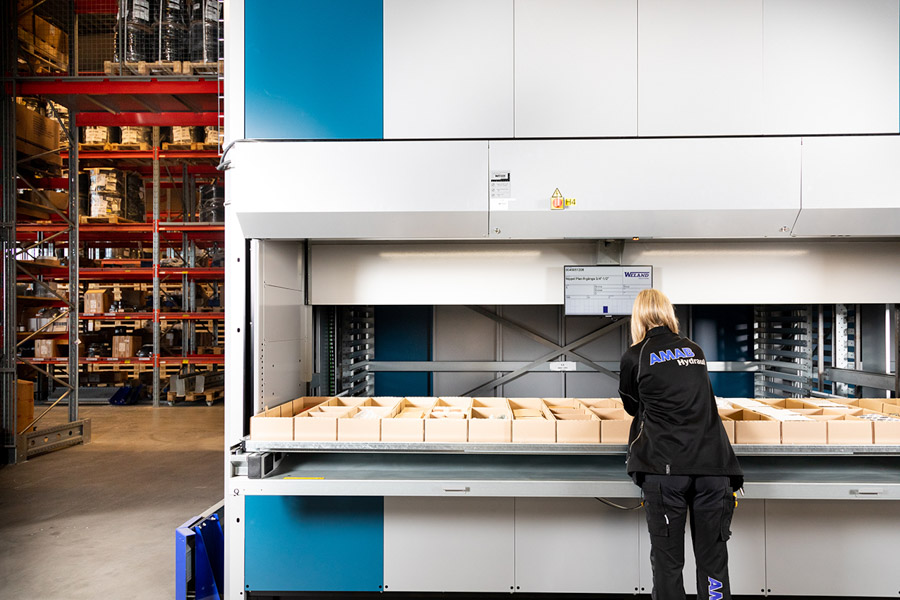

What Is Warehouse Inventory Management?
Warehouse inventory management is the process of storing, tracking, picking, replenishing, and controlling inventory inside a warehouse or storage facility. It includes knowing what inventory is available, where it is stored, how it moves, who accesses it, and when it needs to be replenished.
In a warehouse, inventory management affects receiving, putaway, storage, picking, packing, replenishment, cycle counting, and order fulfillment. When inventory is organized and accurately tracked, teams can find items faster, reduce picking errors, avoid unnecessary duplicate stock, and keep operations moving.
Warehouse inventory management may involve shelving, pallet racks, bins, barcode scanning, inventory software, warehouse management systems, vertical lift modules, carousels, automated storage and retrieval systems, and other tools that help control inventory movement.
Why Warehouse Inventory Management Breaks Down
Warehouse inventory problems usually start when the physical storage process and the inventory tracking process do not work together. Software may show that inventory exists, but if items are stored in too many locations or are difficult to find, the warehouse still slows down.
Common warehouse inventory management problems include:
- Inventory stored in too many places
- Employees walking or searching for items
- Inaccurate inventory counts
- Slow picking or replenishment
- Stockouts or duplicate inventory
- Manual data entry
- Limited barcode scanning
- Poor visibility between storage and software
- High-SKU inventory that is hard to control
- No clear location system
- High-value inventory with limited access control
- Slow cycle counts or inventory audits
These problems can affect productivity, accuracy, fulfillment speed, and customer service. For manufacturing, MRO, distribution, pharmacy, and fulfillment operations, poor inventory control can also create delays when critical parts, tools, supplies, or products are not available when needed.
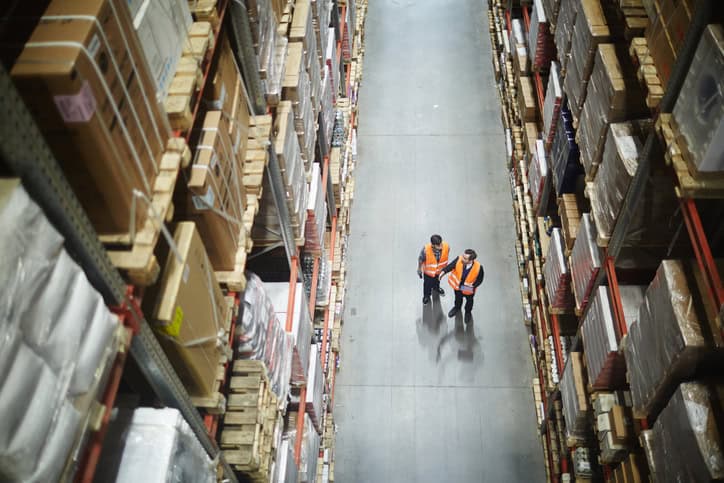
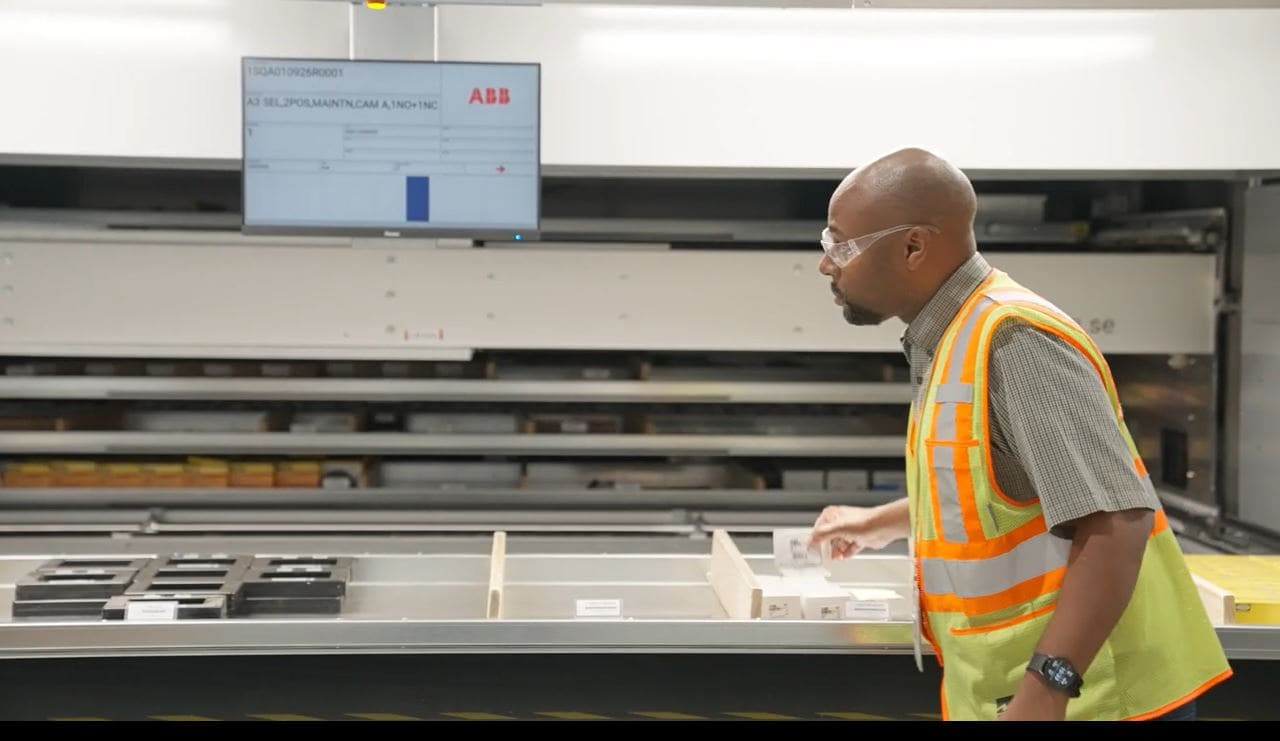
Warehouse Inventory Management vs. Warehouse Management
Warehouse management is the broader operation of running warehouse activities such as receiving, putaway, storage, picking, packing, shipping, labor planning, and workflow management.
Warehouse inventory management focuses more specifically on how inventory is stored, tracked, counted, replenished, and controlled.
The two are closely connected. A warehouse can have strong processes but still struggle if inventory is stored poorly, difficult to access, or not accurately tracked. Likewise, inventory software can only do so much if the physical storage setup makes items hard to find, pick, or replenish.
A strong warehouse inventory management strategy connects the physical storage system, the inventory tracking process, and the software used to manage inventory movement.
How Storage Systems Improve Warehouse Inventory Management
Warehouse inventory management is not only a software problem. The way inventory is physically stored has a major impact on how easy it is to find, pick, replenish, count, and control.
Traditional shelving and rack storage can work well for some operations, but they can become harder to manage as SKU counts grow, floor space gets tighter, or picking activity increases. When inventory is spread across aisles, shelves, bins, or storage rooms, employees may spend more time walking and searching than actually picking or replenishing items.
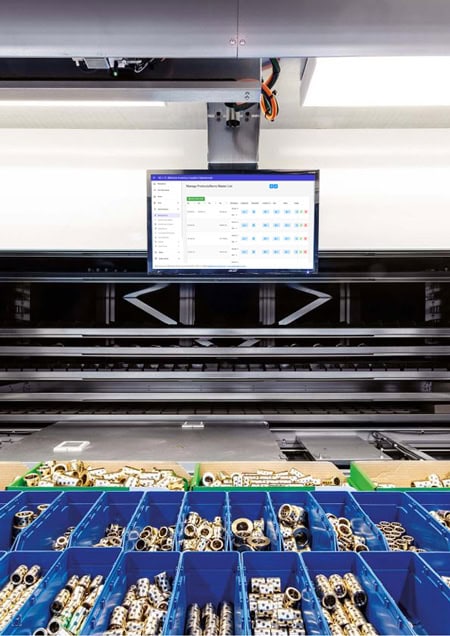
Automated storage systems can help by organizing inventory in a smaller footprint and bringing items directly to the operator. Vertical lift modules, vertical carousels, and horizontal carousels can support goods-to-person workflows, barcode scanning, location tracking, and controlled access for parts, products, tools, supplies, and high-SKU inventory.
The right storage system can help warehouse teams:
- Store more inventory in less space
- Reduce walking and search time
- Improve picking and replenishment speed
- Support more accurate inventory tracking
- Keep high-frequency items easier to access
- Control access to high-value or critical inventory
- Improve ergonomics for operators
- Connect storage activity with software and barcode workflows
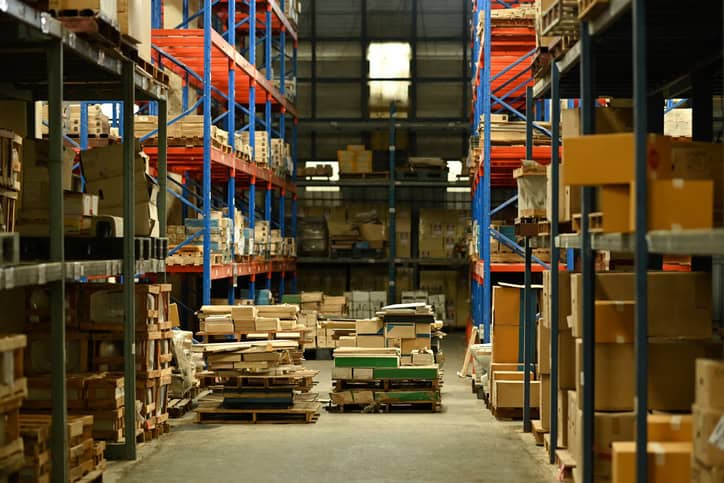
Warehouse Inventory Management Software and Barcode Tracking
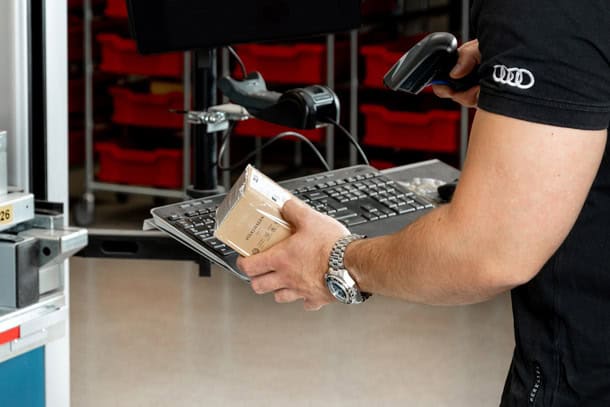
Warehouse inventory management software helps teams track inventory locations, movement, quantities, users, and transactions. When connected to barcode scanning and organized storage locations, software can help reduce manual entry and improve visibility across the warehouse.
Barcode scanning can support receiving, putaway, picking, replenishment, cycle counting, and inventory audits. Instead of relying only on handwritten notes or manual spreadsheet updates, operators can scan items, locations, orders, or bins as inventory moves through the facility.
A warehouse inventory management system may help manage:
- Inventory locations
- Pick instructions
- Barcode scanning
- User permissions
- Transaction history
- Replenishment
- Cycle counting
- Reporting
- ERP or WMS integration
- Inventory movement between storage areas
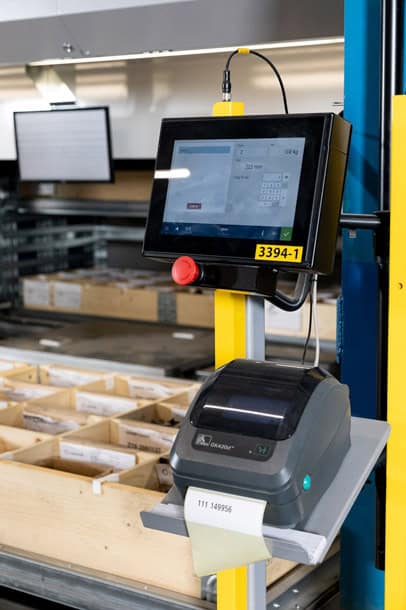
For operations using automated storage, software can also guide operators to the correct tray, bin, carrier, or compartment. This helps reduce search time and supports a more controlled picking process.
Automated Warehouse Inventory Management
Automated warehouse inventory management combines storage equipment, software, barcode scanning, and guided picking to help reduce manual searching and improve inventory accuracy.
Instead of requiring employees to walk through aisles or search shelves, automated storage systems bring inventory directly to an access point. This can help improve picking speed, reduce unnecessary travel, and make better use of available floor space.
Automated warehouse inventory management may include:
- Automated storage and retrieval systems
- Vertical lift modules
- Vertical carousels
- Horizontal carousels
- Barcode scanning
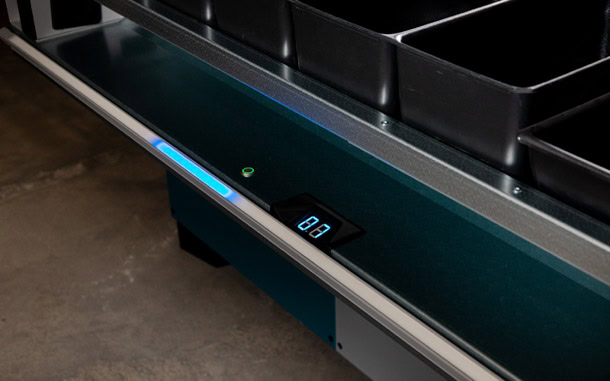
- Pick-to-light or light-directed picking
- Inventory software
- Goods-to-person access
- ERP or WMS integration
For warehouses managing small parts, high-SKU inventory, tools, MRO supplies, medications, or fulfillment items, automation can help create a more organized and repeatable inventory process.
Best Practices for Warehouse Inventory Management
Improving warehouse inventory management usually starts with reducing confusion around where inventory is stored, how it is picked, and how movement is tracked.
Useful best practices include:
- Organize inventory by velocity
- Use clear location IDs
- Standardize receiving and putaway
- Use barcode scanning where possible
- Reduce unnecessary walking and travel
- Keep high-frequency items easier to access
- Track inventory movement in software
- Control access to high-value inventory
- Use cycle counting instead of relying only on annual counts
- Review slow-moving or duplicate inventory
- Improve replenishment processes
- Evaluate automated storage for high-SKU or space-constrained areas
The goal is to make inventory easier to find, easier to pick, and easier to track. When storage systems, barcode workflows, and software work together, warehouse teams can improve accuracy and reduce the daily friction that slows down operations.
Warehouse Inventory Management for Different Operations
Warehouse inventory management looks different depending on the operation. A manufacturing facility, distribution center, pharmacy, and MRO parts room may all need inventory control, but the storage requirements and workflows can be very different.
Manufacturing Inventory
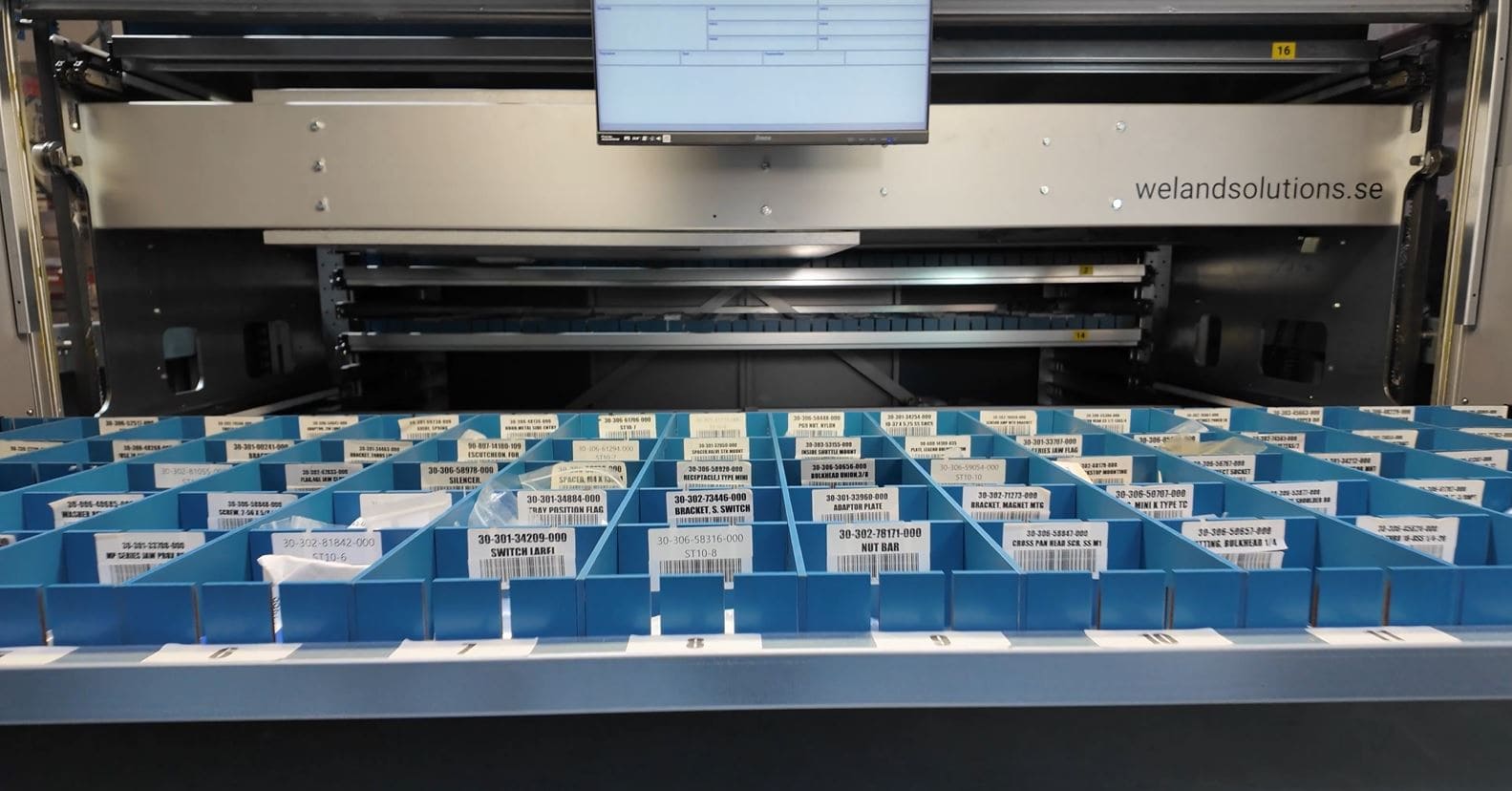
Manufacturing operations need reliable access to raw materials, components, work-in-process inventory, tools, and production supplies. If parts are hard to find or inventory counts are unreliable, production can slow down.
Automated storage systems can help manufacturers organize parts and supplies, reduce search time, and keep inventory closer to the point of use.
MRO and Spare Parts
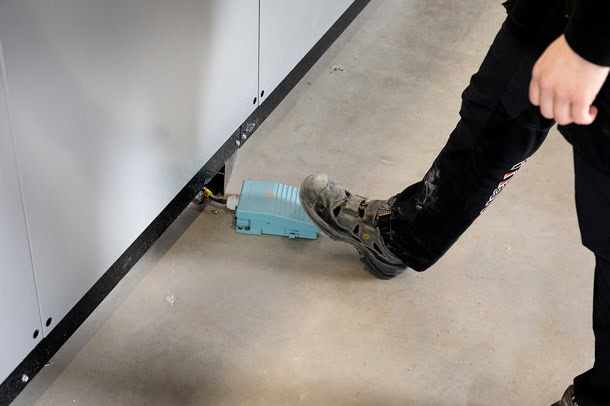
MRO inventory includes maintenance, repair, and operations parts, tools, and supplies. These items may not move like finished goods, but they are critical when equipment needs service or repair.
Better MRO inventory management can help teams find parts faster, reduce duplicate stock, control access to high-value tools, and support maintenance workflows.
Fulfillment and Distribution
Fulfillment and distribution operations depend on fast, accurate picking. When inventory is poorly organized or stored too far from the operator, picking slows down and errors become more likely.
Horizontal carousels, vertical storage systems, barcode scanning, and software-guided picking can help support faster fulfillment in high-SKU environments.
Pharmacy and Healthcare Inventory
Pharmacy and healthcare operations often manage medications, supplies, and controlled inventory that require accuracy, security, and traceability. Storage systems can help improve organization, access control, and space utilization in hospital, outpatient, central fill, or pharmacy operations.
High-Value or Controlled Inventory
Some warehouses need tighter control over tools, parts, electronics, medications, or other high-value inventory. Automated storage systems with user permissions, barcode scanning, and transaction history can help track who accessed inventory and when it moved.
Multi-Location Warehouses
Managing inventory across multiple warehouse locations can make visibility more difficult. Standardized location naming, barcode scanning, inventory software, and consistent storage processes can help teams maintain better control across facilities.

Choosing a Warehouse Inventory Management System
A warehouse inventory management system is not always just one software platform. In many operations, it includes the storage equipment, software, scanning tools, workflows, and integrations that help inventory move accurately through the facility.
A complete warehouse inventory management system may include:
- Storage equipment
- Inventory software
- Barcode scanners
- Picking tools
- Pick-to-light or light-directed picking
- ERP or WMS integration
- Reporting
- Cycle counting workflows
- User access controls
- Service and support
The right system depends on the type of inventory being stored, the number of SKUs, available floor space, ceiling height, picking volume, accuracy requirements, and integration needs.
For some warehouses, better labeling, barcode scanning, and location control may be enough. For others, vertical lift modules, vertical carousels, horizontal carousels, or ASRS solutions may be needed to improve storage density, access, and picking performance.
Warehouse Inventory Management FAQ
What is warehouse inventory management?
Warehouse inventory management is the process of storing, tracking, picking, replenishing, and controlling inventory inside a warehouse or storage facility. It helps teams know what inventory is available, where it is stored, how it moves, and when it needs to be replenished.
What is the difference between warehouse management and inventory management?
Warehouse management covers the broader operation of the warehouse, including receiving, putaway, picking, packing, shipping, labor, and workflow. Inventory management focuses more specifically on inventory accuracy, storage locations, stock levels, replenishment, and inventory movement.
What is a warehouse inventory management system?
A warehouse inventory management system is the combination of software, storage equipment, barcode scanning, workflows, and controls used to manage inventory inside a warehouse. It helps teams track locations, quantities, movement, users, and transactions.
What is the best way to manage warehouse inventory?
The best way to manage warehouse inventory is to use clear storage locations, accurate item identification, barcode scanning, standardized receiving and putaway, cycle counting, inventory software, and storage systems that make items easy to find and pick.
How does barcode scanning improve warehouse inventory management?
Barcode scanning helps reduce manual entry and improves visibility into inventory movement. Operators can scan items, bins, locations, or orders during receiving, putaway, picking, replenishment, and cycle counting.
How does automated storage improve warehouse inventory management?
Automated storage improves warehouse inventory management by organizing inventory in a smaller footprint, bringing items directly to the operator, reducing walking and search time, and supporting software-guided picking and tracking.
What is the difference between warehouse inventory management software and a WMS?
Warehouse inventory management software focuses on tracking inventory, locations, quantities, and transactions. A warehouse management system, or WMS, usually manages broader warehouse workflows such as receiving, putaway, picking, packing, shipping, labor, and order flow. In many operations, the two overlap or integrate.
Can warehouse inventory management systems integrate with ERP software?
Yes. Many warehouse inventory management systems can integrate with ERP or WMS platforms to support inventory transactions, pick instructions, replenishment, reporting, and visibility across the operation.
Improve Warehouse Inventory Management with Better Storage and Inventory Control
If your team is dealing with inaccurate counts, slow picking, crowded storage areas, or poor inventory visibility, White Systems can help evaluate whether automated storage, barcode-supported workflows, or inventory software can improve your operation.